Kindergarten Activity No. 58 : Jelly and Coconuts Cake

Jelly and Coconuts Cake

Cooking offers the opportunity to enhance language development by linking it to other areas such as Maths and Science. It is important that while you are cooking together with your child you encourage him/her to talk about what s/he is doing. Apart from this, cooking helps children to:

  • develop confidence and skill
  • be creative
  • learn how to follow directions
  • develop problem solving skills
  • apply Mathematics skills by counting, measuring, and sequencing
  • develop fine motor skills and hand-eye coordination.

To make this cake you will need:

  • 1 cup strawberry or vanilla yogurt,
  • 1 cup sugar,
  • 1 cup oil,
  • 3 cups self-raising flour,
  • 3 eggs,
  • 1 packet strawberry jelly,
  • 1 packet shredded coconut,
  • fresh strawberries pieces (optional),
  • vanilla essence,
  • milk (only if needed)


Those who suffer from nut allergies can substitute the coconuts with 100s and 1000’s.

You will also need:

  • a mixing bowl,
  • a small bowl,
  • a spoon,
  • a measuring jug,
  • a bowl for mixing the jelly in it,
  • a whisker,
  • a spatula,
  • a baking dish,
  • cookie cutters,
  • a plate or tray.

Method:

  • In a bowl whisk the eggs and sugar well until light and fluffy.
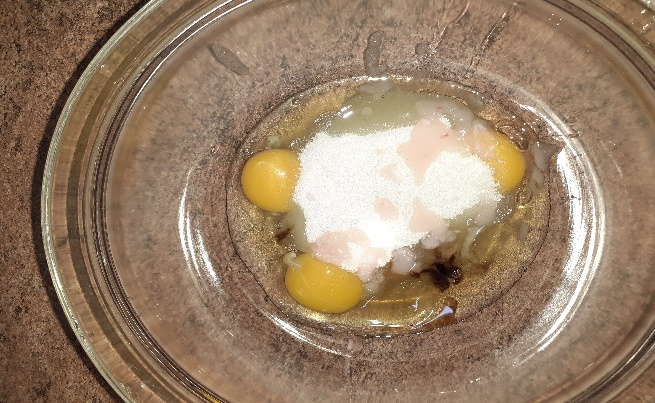
  • While still whisking add a cup of yogurt and a cup of oil.
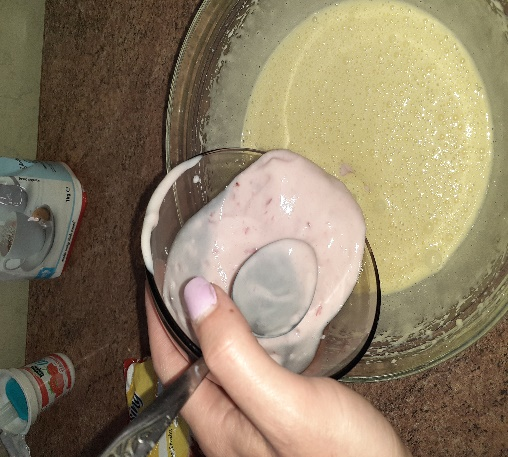
 

  • Using a spatula fold the 3 cups of self-raising flour into the batter.
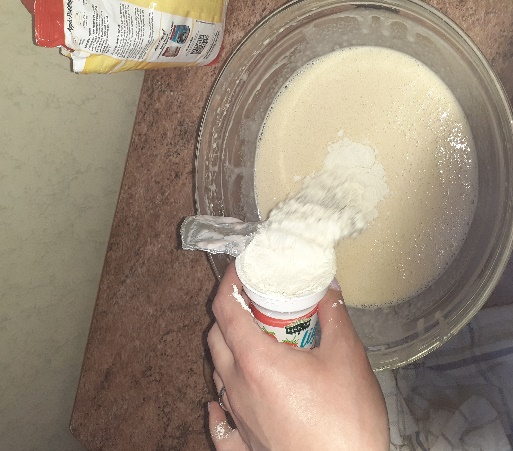
  • Add a few drops of vanilla essence and some pieces of fresh strawberries (optional).
  • Add some milk. (if needed)
  • Heat oven to 180C. Then pour the batter into the baking dish and bake the cake for about 25minutes or until a skewer inserted in the middle of the cake comes out clean.
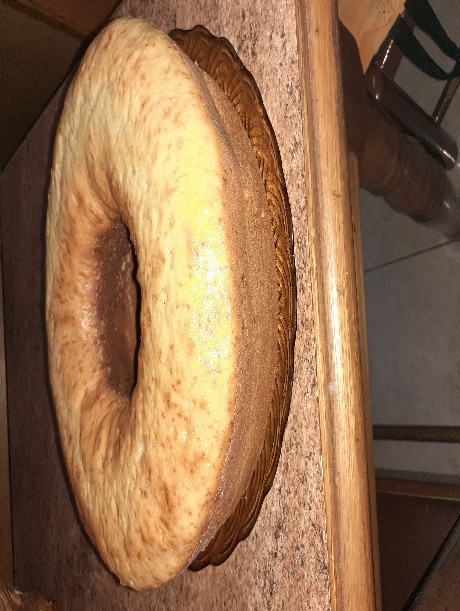
 

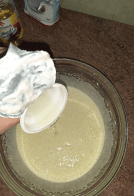
  • Once the cake is ready let the cake cool down. In the meantime, prepare the jelly following the instructions on the packet. (Do not put the jelly in the fridge)


  • When the cake has cooled down cut it into slices. You can use cookie cutters to cut the cake in different shapes.


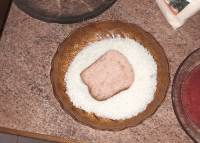
  • Dip both sides of the cake in the jelly.
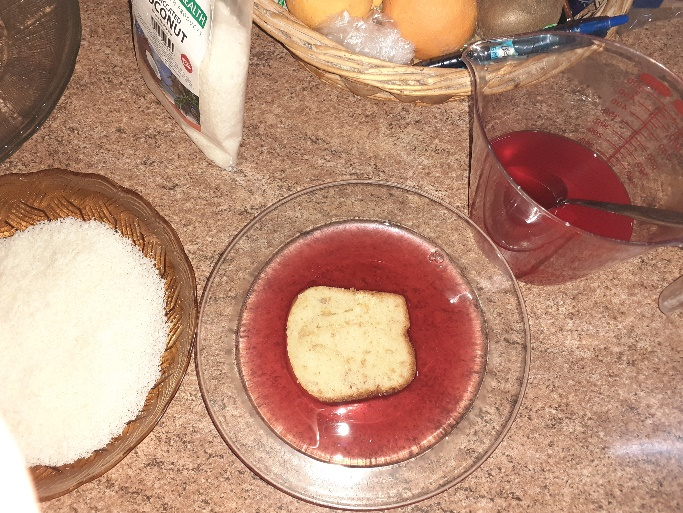
  • Cover the cake with coconut and enjoy!!


Ms. Charlene Farrugia

K.1.8



Kindergarten Activity No. 57 : Shadow Drawing: Fun under the sun at home

 Exploring Shadows/Light and reflection 


What is Shadow Drawing?

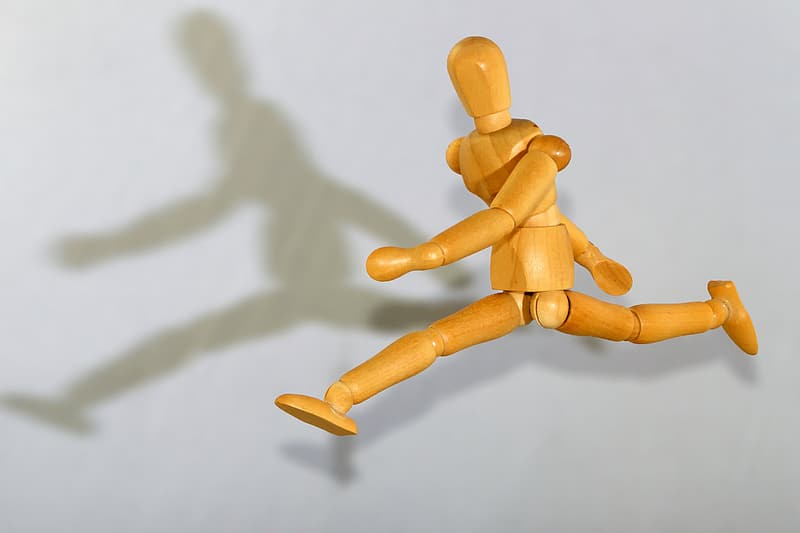
Drawing around a shadow is a lovely idea to do while the sun is shining. It is also a great activity to introduce the concept of shapes, shadows and outlines to children.

In this activity the children will observe the shadows of different objects created by the sunlight during the early morning or late afternoon.

Learning objectives

  • Learn how to focus
  • Expand their imagination and creativity
  • Learn about shadows objects make during different times of the day
  • Develop their fine motor skills


For this activity you need:

  • Toys/objects
  • Paper
  • Marker

Instructions:

This video will help you understand how to do shadow tracing https://www.youtube.com/watch?v=FyyJDXq-7uU


  • Start this activity by inviting your child to choose any toy/object they like.
  • Together with your child find a sunny area outside, or a spot next to a window, to set up your drawing area.
  • Lay out some paper on the floor and put the toy/object on the paper.
  • Make sure the object is in the sun and is casting a shadow on the paper for your child to trace.
  • Using a marker, trace the outline of the object on the paper.
  • Remind him/her to never look directly at the sun, but to concentrate on the shadows.
  • Leave the toy on the paper for some time. Go back and check if the shadow has moved.


You can take the activity a step further and draw the outline of each other’s shadow on a paper.


Ask open ended questions to children to discuss what they were able to observe.

  • Is the shadow larger or smaller than the object and what happens when the object is rotated?
  • Did anything change in your tracings?
  • What looks different?
  • What do you think made the shadows move? How can you explain that?
  • Did the Sun move?


Invite your child to find different objects such as fruit or vegetables or else draw their own shadow.


Ms Kimberly

K 1.7

Kindergarten Activity No. 56 : All About My Mum

All about my Mum


Getting to know those who are close to us is important.  Spending time with our family helps us to get to know each other better. When we spend time together, we learn about our personal interests and how to respect and tolerate each other. One important way a child learns of his/her self-worth is through his/her interactions with his/her family. When we give quality time to our family, we create a bond and give our children a strong sense of belonging and security. Create opportunities at home in which all the family can engage in.

Below is an activity that will serve as an icebreaker to help your child get to know you better.

How to play this game:

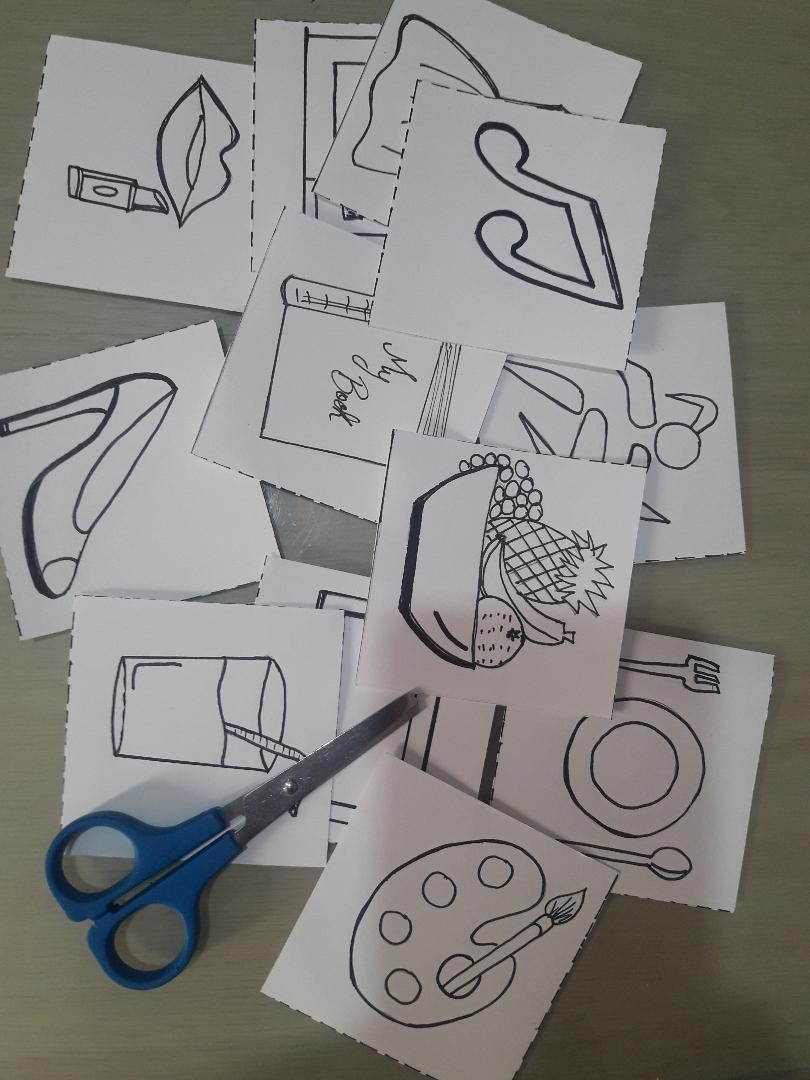
  1. Print the  document all about mum (see link below). This document contains picture cards which your child can use as prompts to ask questions about you. (If you don’t want to print the cards you can draw your own). The cards will help your child ask you questions about your:
  • Favourite colour
  • Favourite sports
  • Favourite lipstick colour
  • Favourite food
  • Favourite shop
  • Favourite drink
  • Favourite TV programme
  • Favourite shoes
  • Favourite song
  • Favourite book
  • Favourite dress
  • Favourite fruit

The cards have no words written on them.  Pictures are an important part of learning how to read as they introduce the child to reading.  While asking you questions about your favourite things your child will be building his/her vocabulary skills and sentence structure.

To print the document all about mum use this link:

all about mum

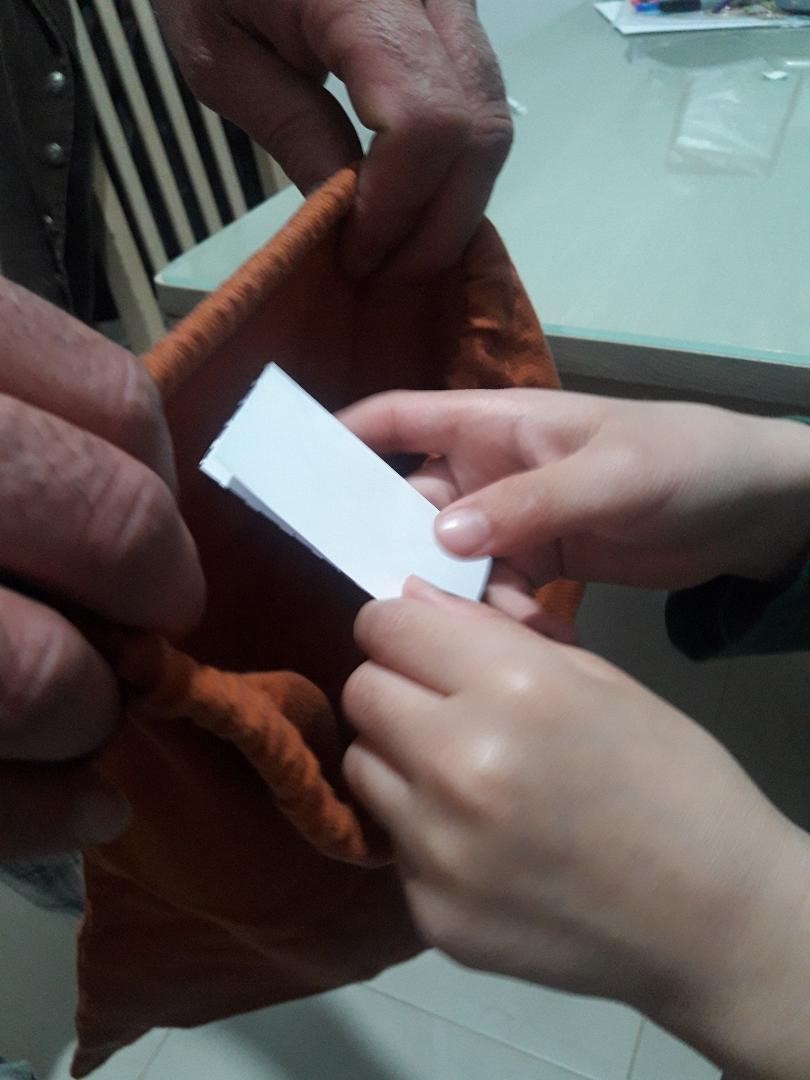
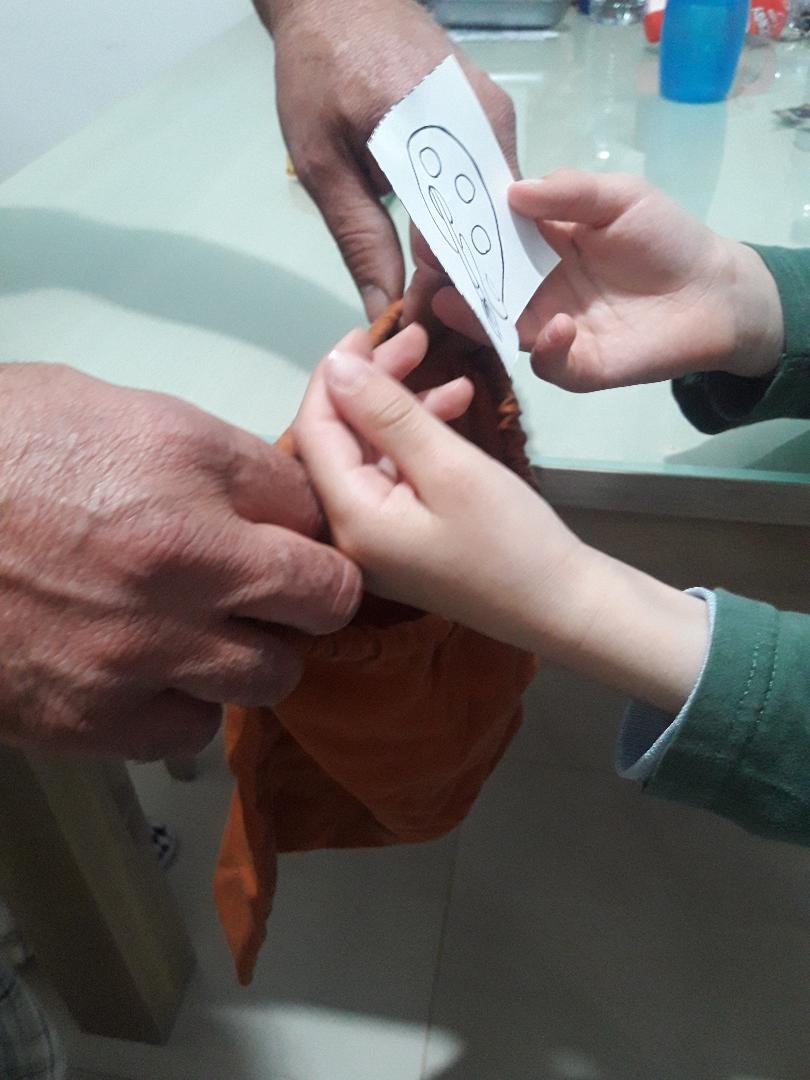
After printing the cards, cut along the dotted line, fold the cards in half and put them in a bowl or in a sack.

Now let the fun begin; let’s find out who knows mum well! Start the game by asking your child to put his hand in the bowl or sack and take a card. Ask him to unfold the card and ask you a question (depending on the picture on the card). For example, if the picture s/he picked is a bowl of fruit your child has to ask you: “What is your favourite food?”


Apart from getting to know you better, this activity will help your child think, observe, and enhance his vocabulary.  If your child does not ask the question correctly, rephrase it and encourage him/her to repeat it. Give full answers and describe why you like that particular thing.  This will help children enhance their language skills.

Why not try this activity with other family members? Focus on the fact that we are all beautiful and unique. Enjoy!


Ms Marita Cachia

k2.3