Siġġiewi Primary School has been participating in educational projects financed by the EU since 1999. Back then, these were referred to as Comenius but nowadays they are widely known as Erasmus+. We had various projects from which our school has widely benefitted: students were given unique opportunities to travel with teachers, meet and attend school with other European students; teachers from our school have travelled, attended meetings and experienced life in partner schools; and we have also hosted European teachers several times.
Last August, our school has been granted funds for another two year project called ‘Bookworms in Europe’ with the aim of:
* sharing methodologies and strategies for teaching of reading.
* To be creative involving the children and increasing their motivation to read.
* To provide results that will have a sustained impact in each school.
* To improve children’s understanding of cultural similarities and differences.
* To encourage the learning of new languages.
Partner schools in this project come from Monk Fryston in UK; Nichelino, Italy; Gladenbach, Germany; Kosice, Slovakia and Norkopping, Sweden.
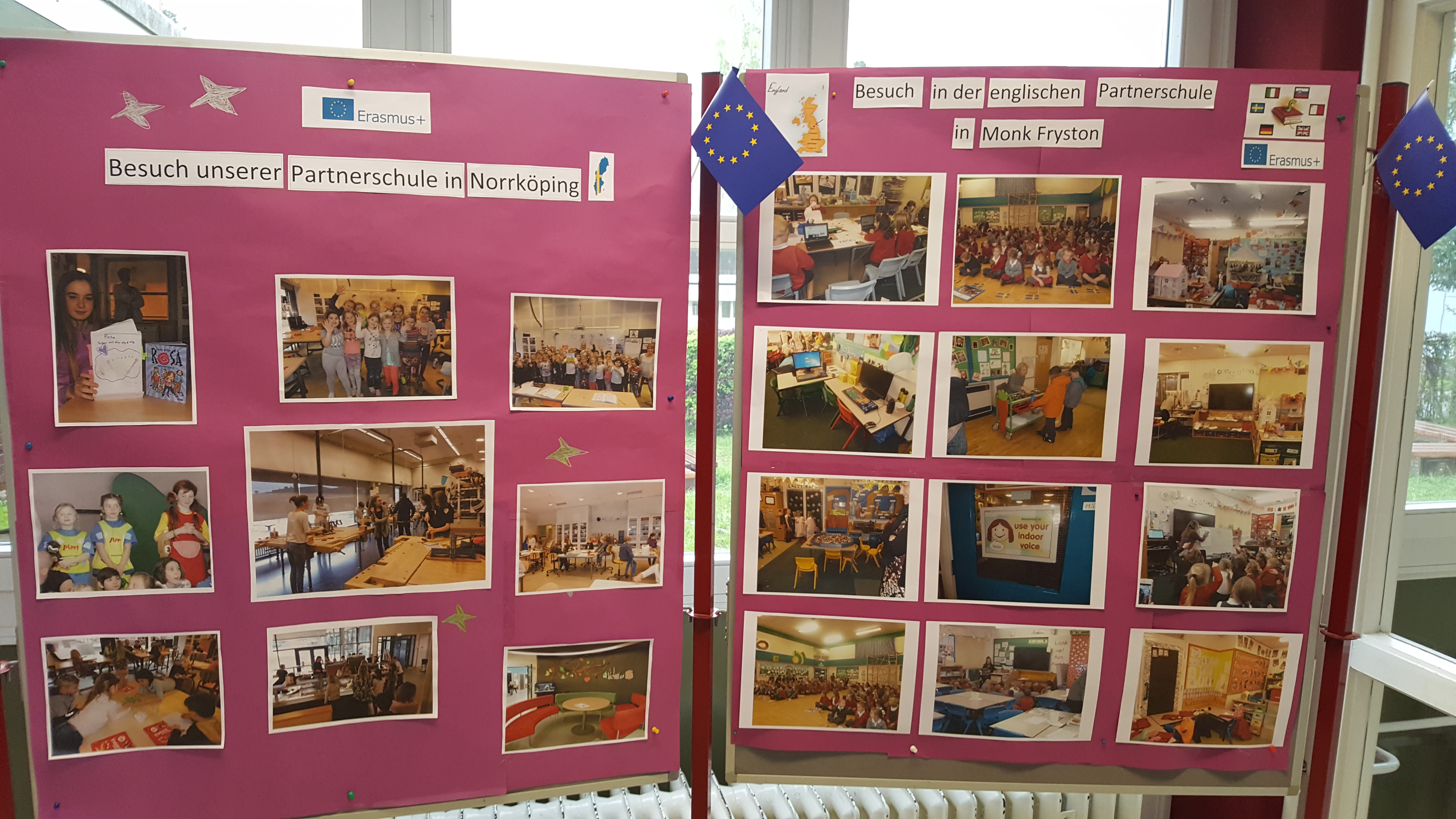
In November 2016, Ms N. Saliba and myself attended the first project meeting which was held in UK. The project was launched while all the school pupils were gathered in the school hall. We met with two teachers from each participating country and our aim was to discuss and plan thoroughly our first year of the project. We had to present videos and Powerpoints about Malta, our school and what reading strategies we use. Posters about life in all schools together with Christmas cards were shared to be displayed in each respective school. We also visited the classrooms, spoke to students and even showed them videos about Malta and they asked us questions about our country.
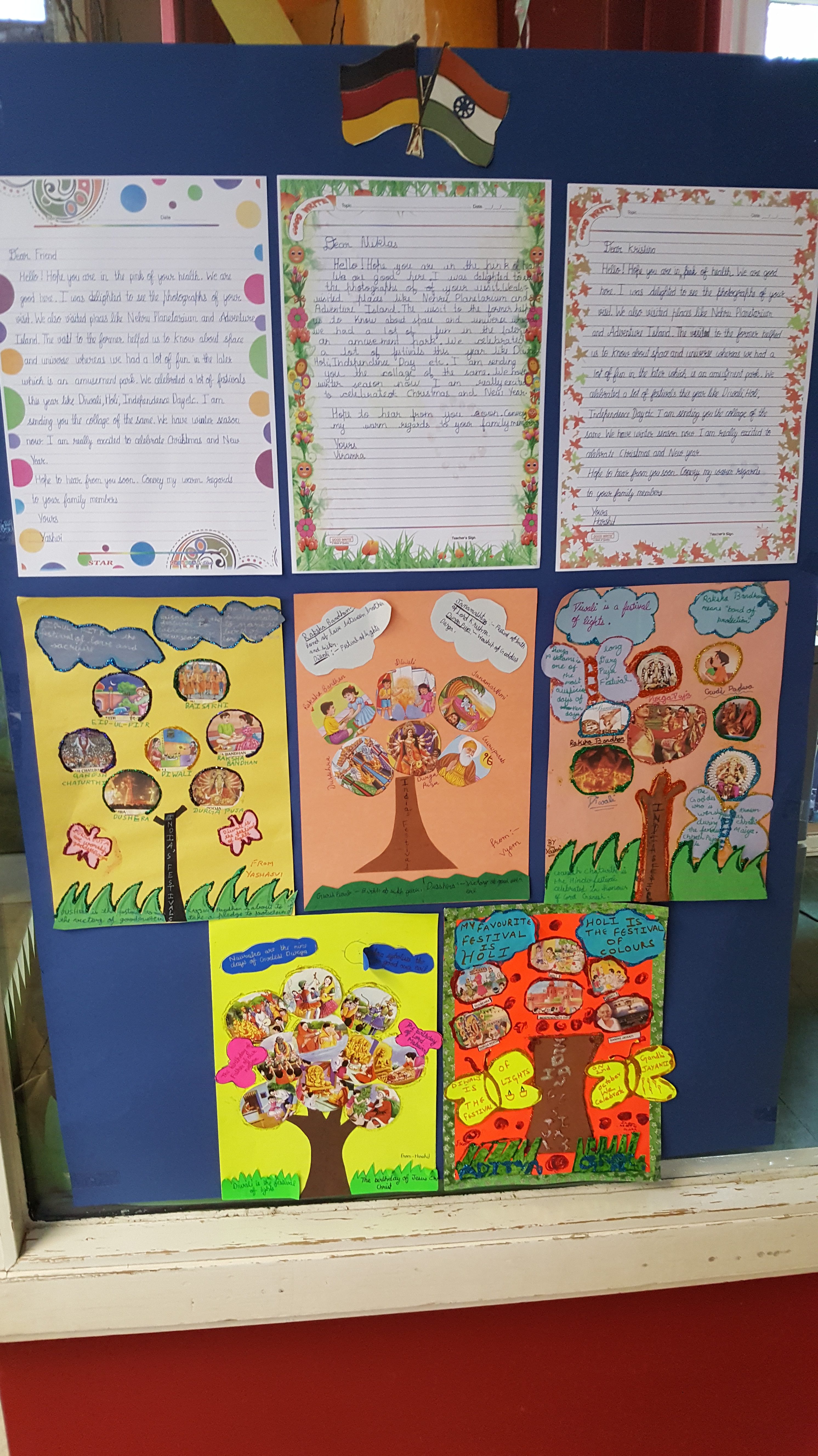
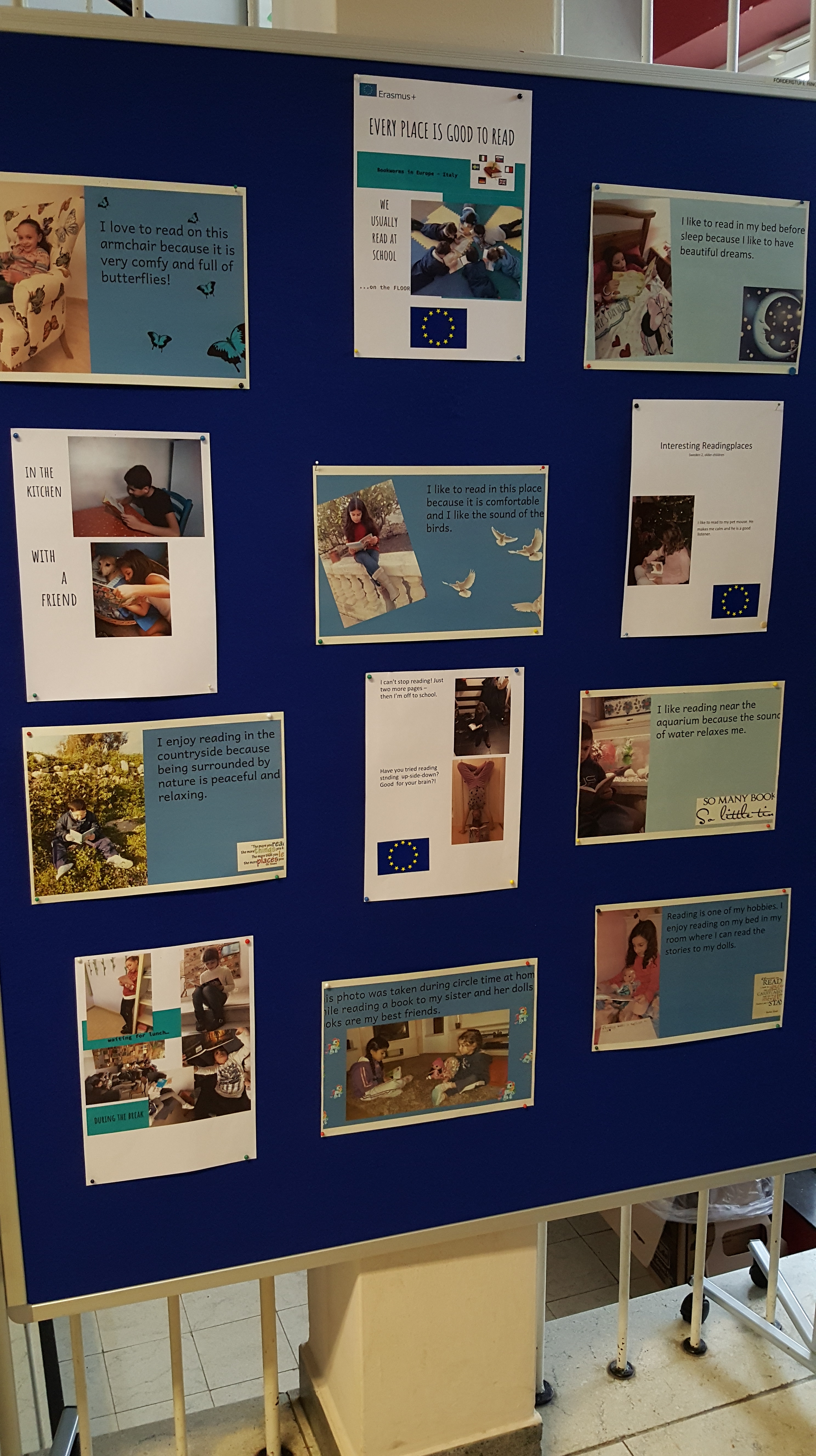
During this scholastic year we will be administering a questionnaire to all pupils from Year 3 to Year 5 to gather a variety of information related to reading; different classes are going to have pen-pals from the other schools; we aim to gather photos of children reading in different places and also produce a list of Top Ten Books children in our school like to read.
Catherine Bezzina


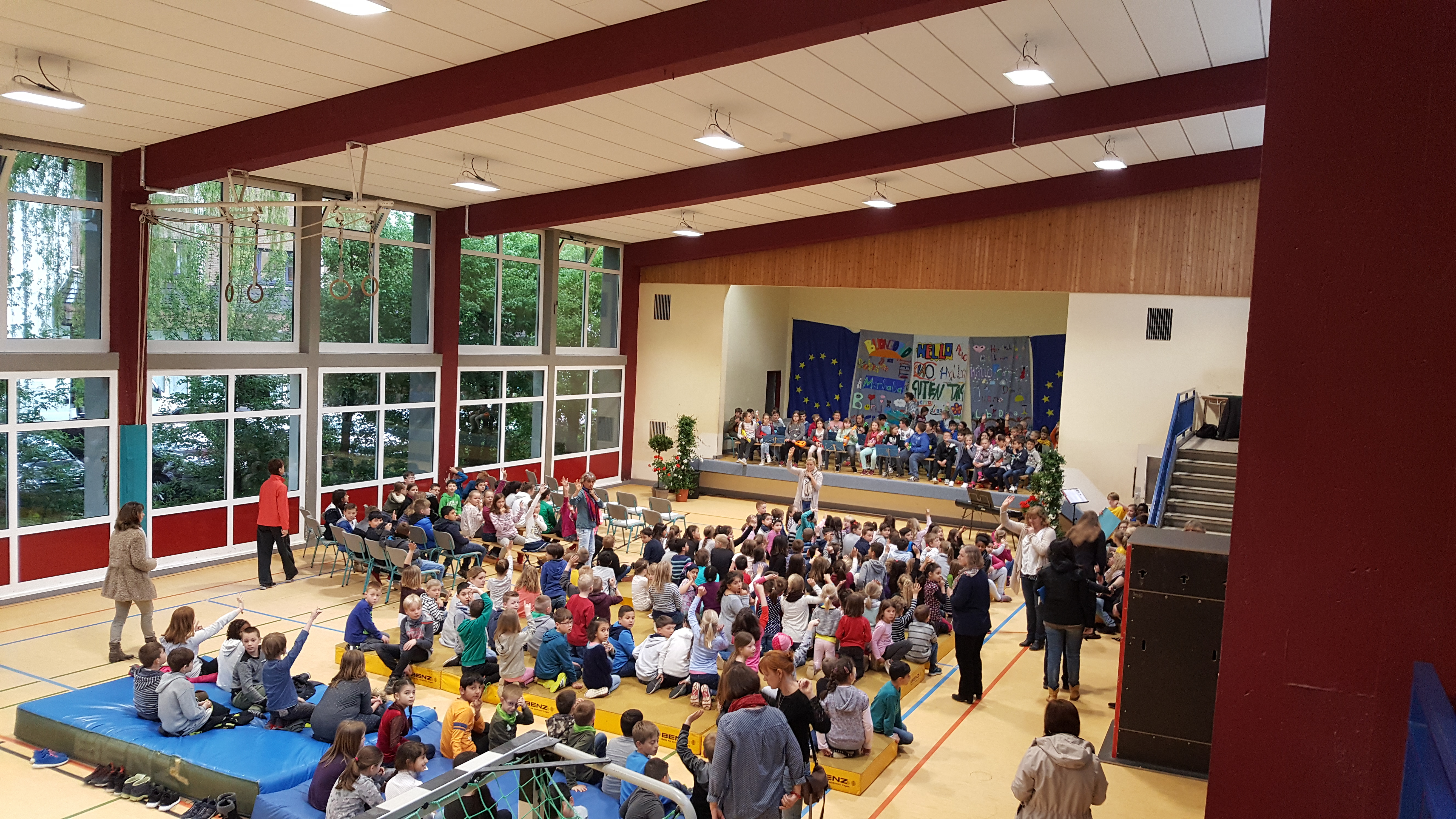
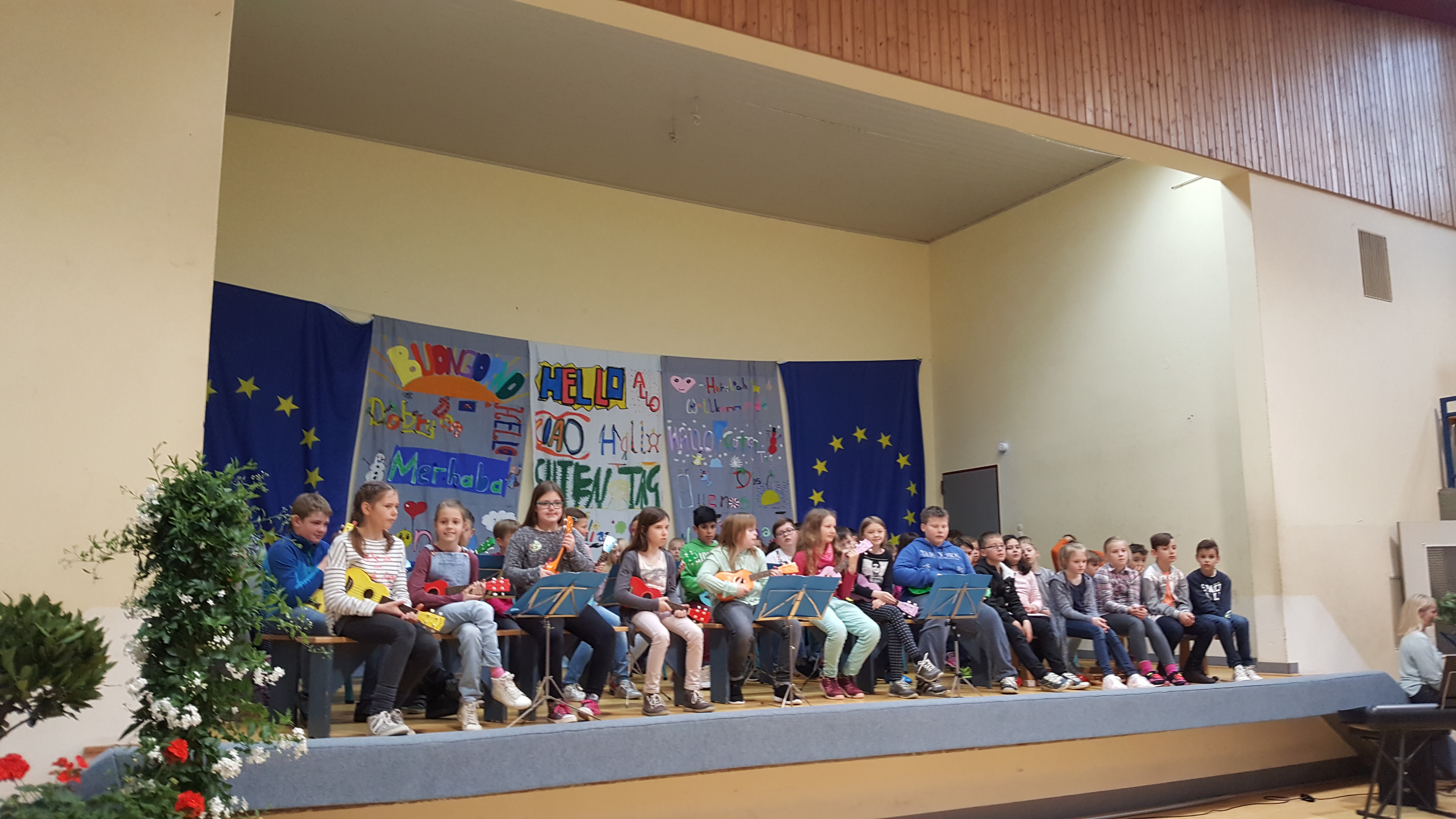
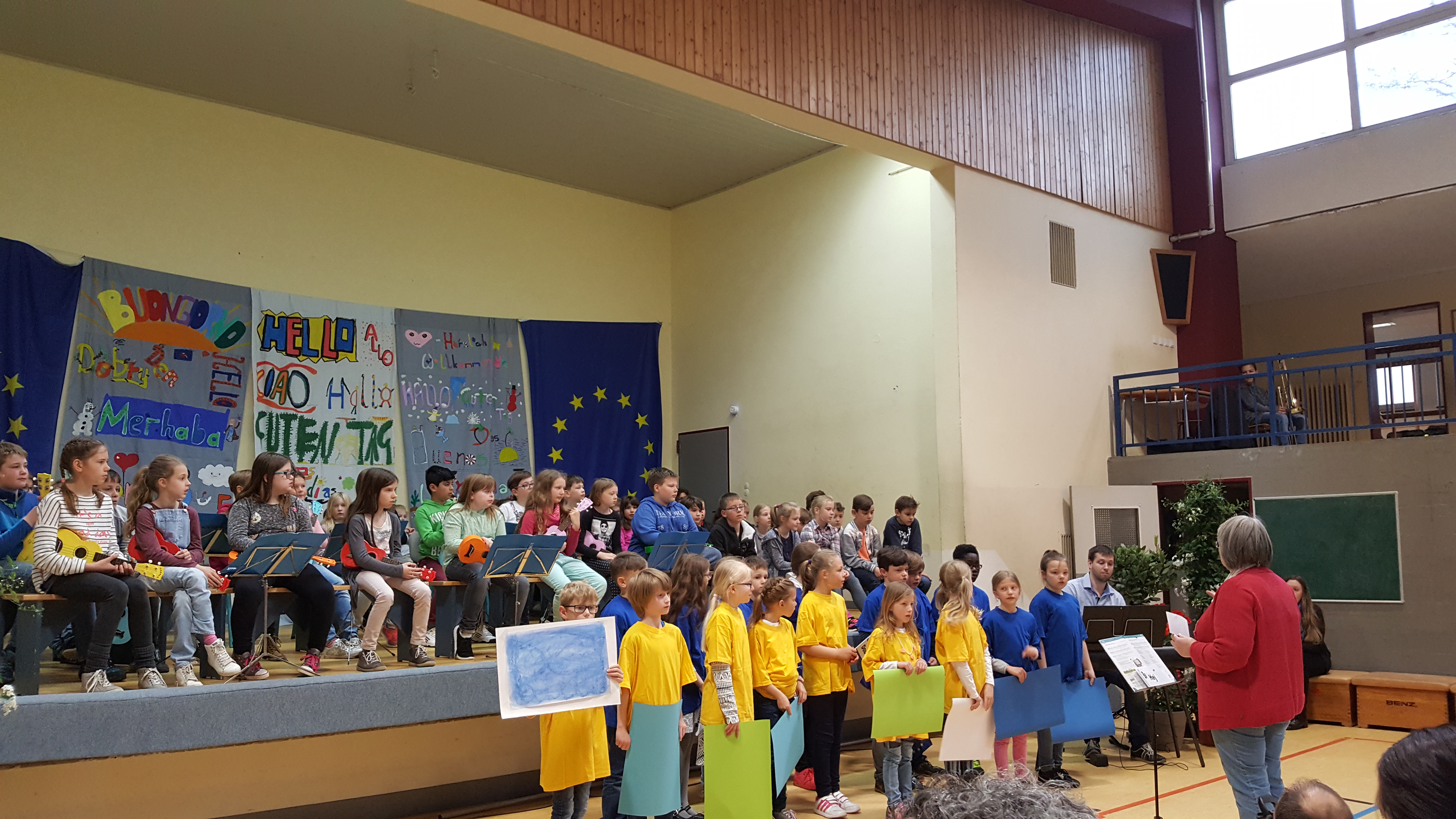
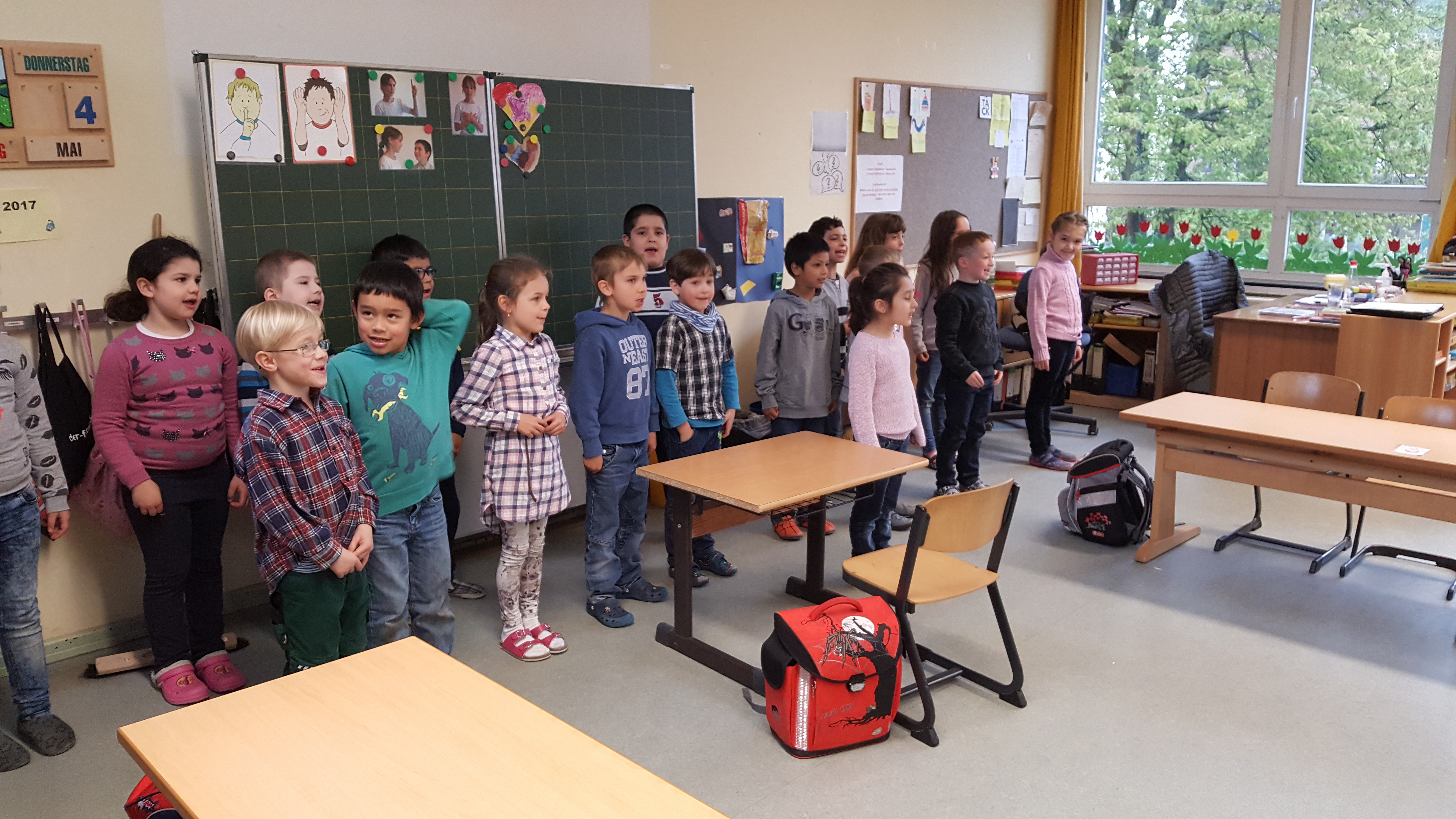
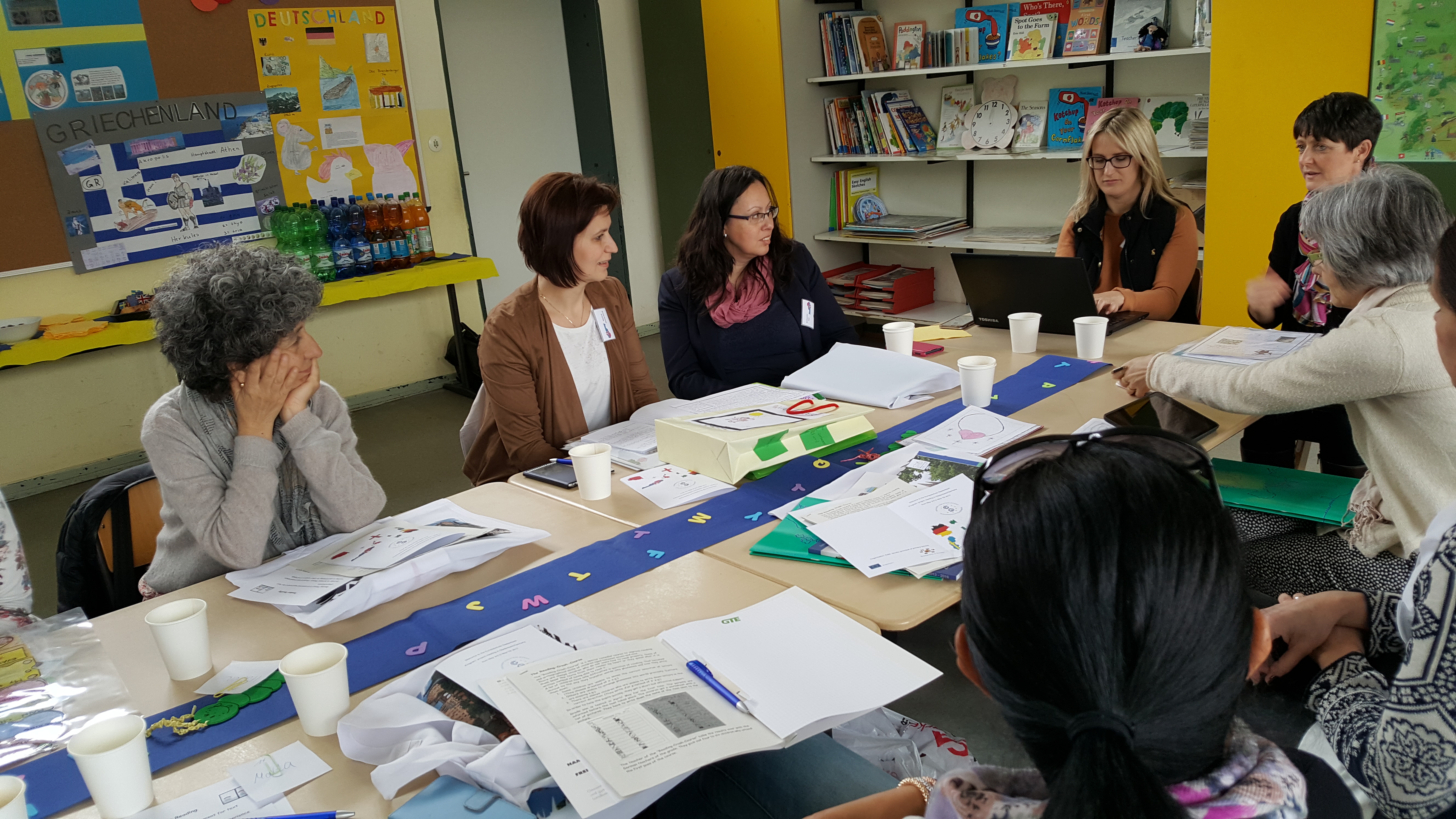
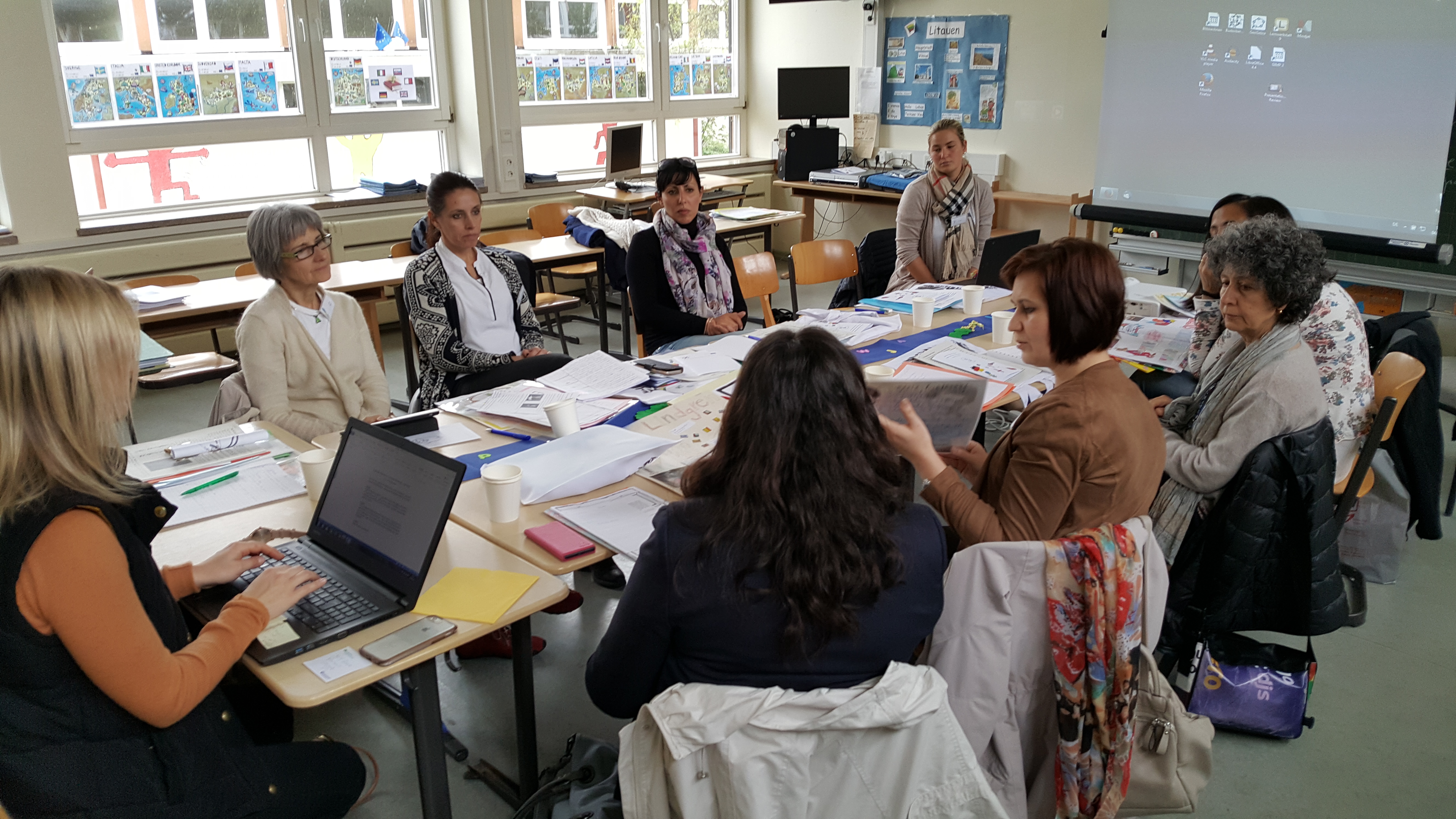
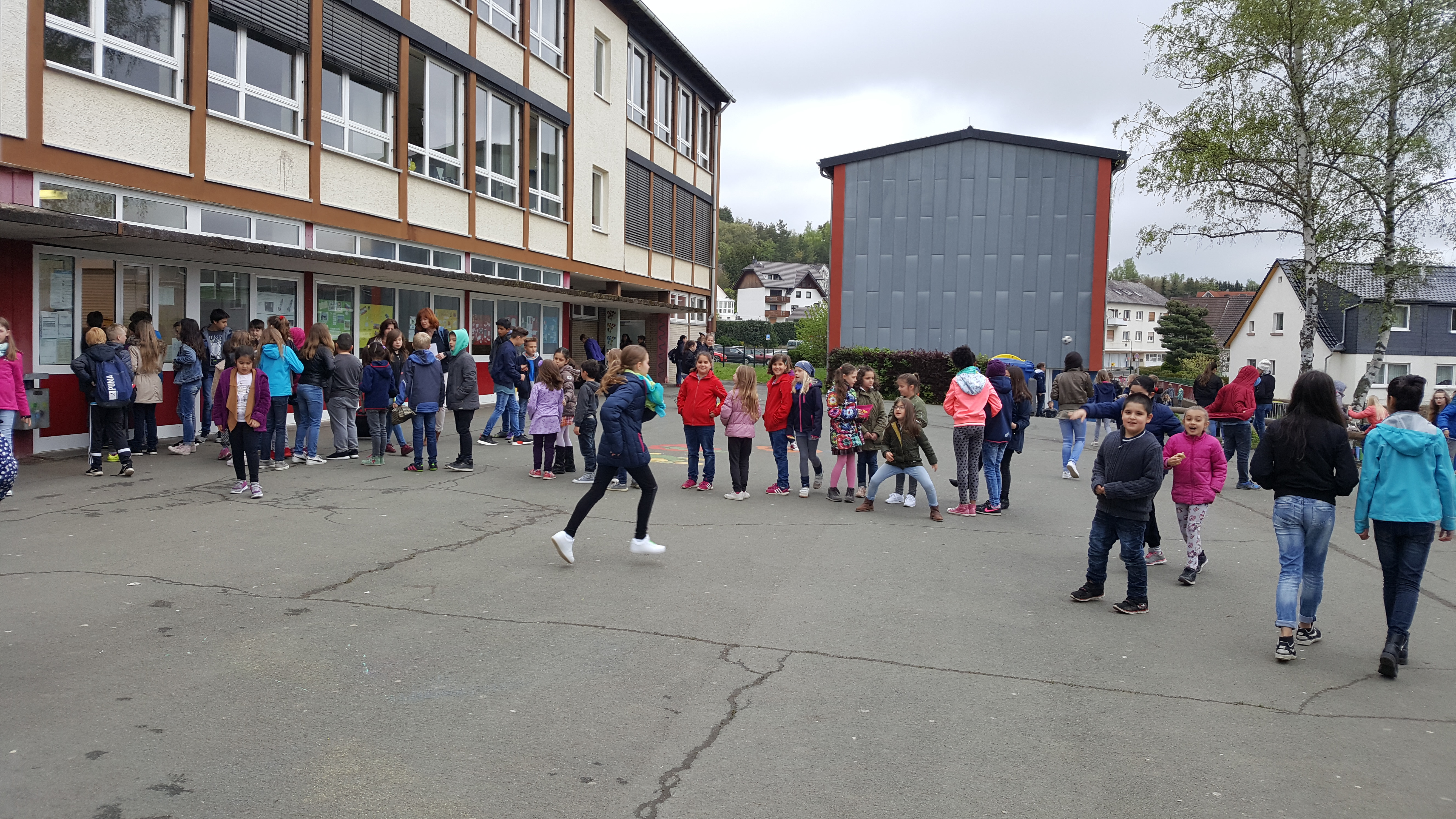
On the 3rd of May, we (Ms Maria and Ms Sandra), travelled to Marburg on the Erasmus project – Bookworms in Europe. This was the third time that all of the participating countries met. The school visited, is a co-operative comprehensive school offering primary and secondary education and has the official status of a Europe School in Hesse. The school is one of the biggest of its kind in the area and is one of the few schools which cover the age groups from prep school to Grade 13 (18 year olds). Currently there is a population of 1,630 students and 10% of these students are foreigners.
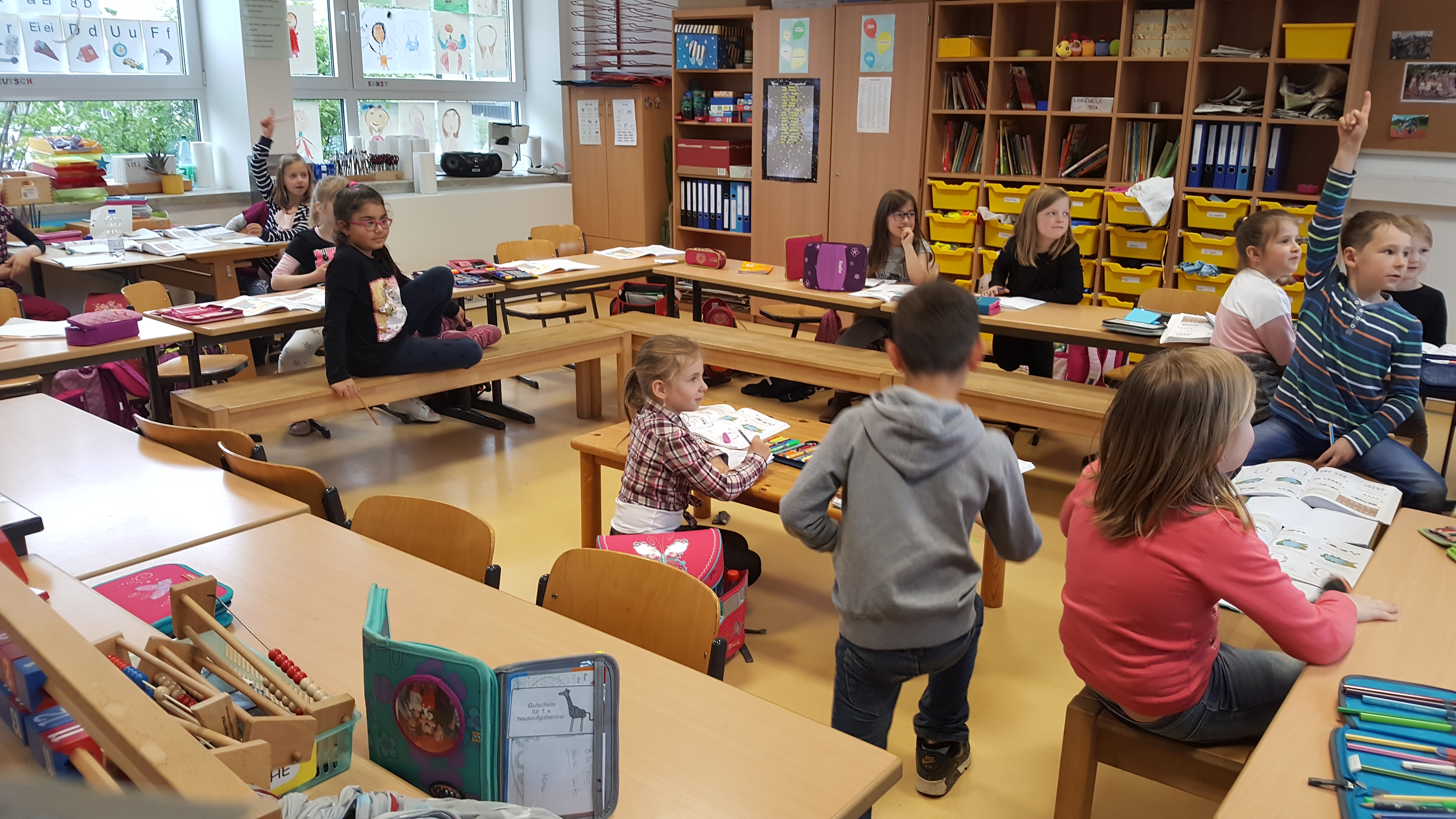
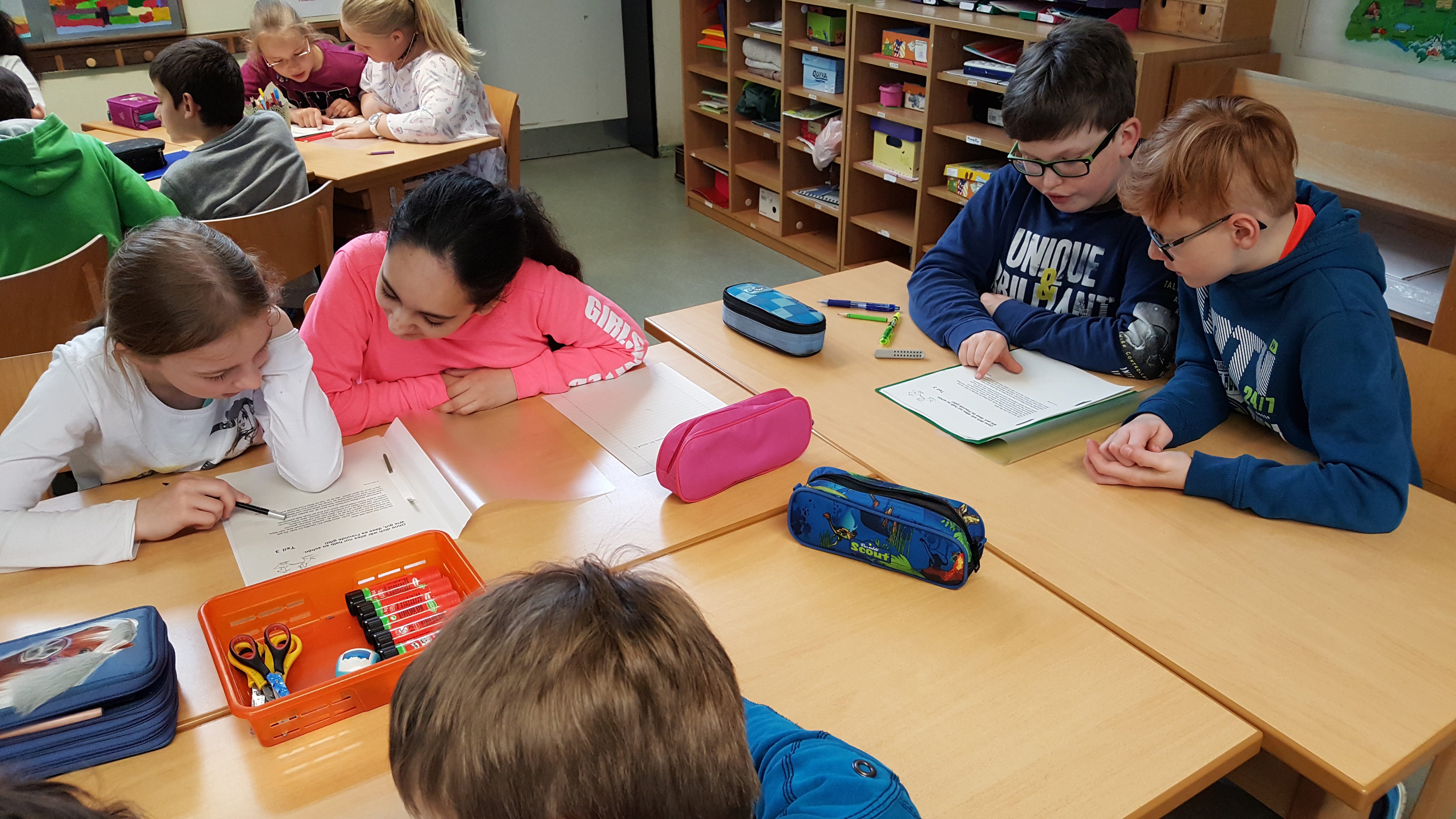
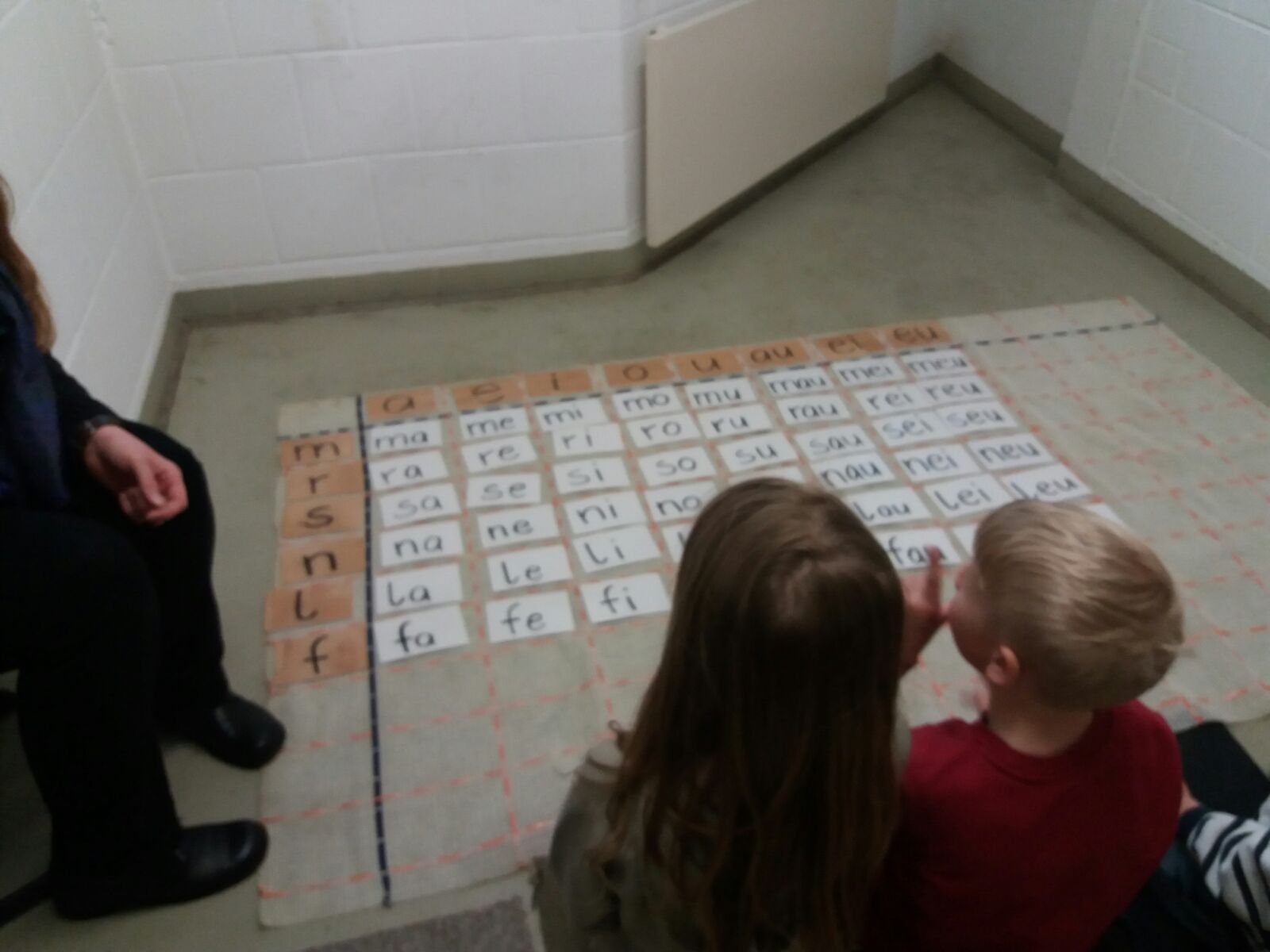
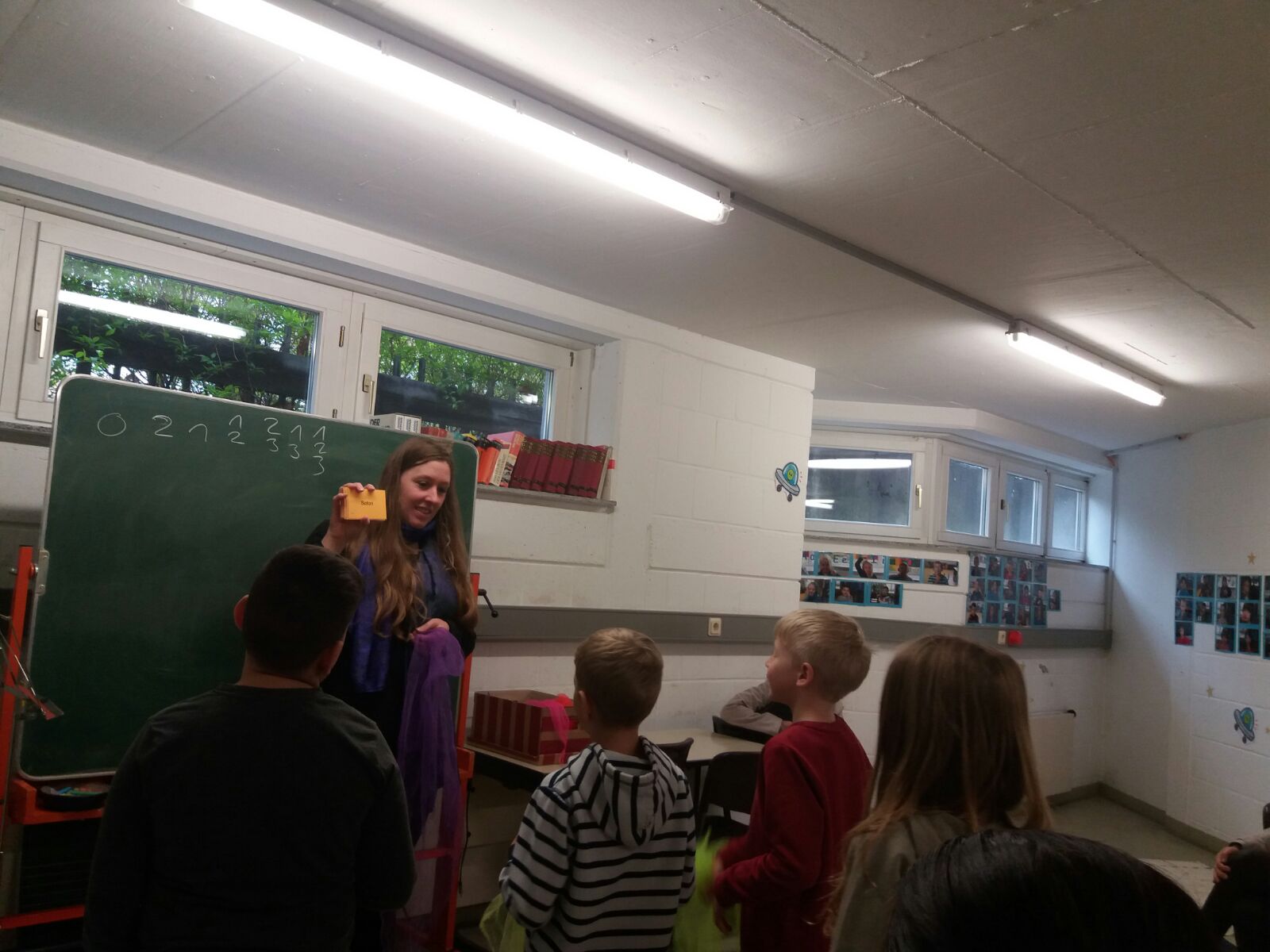
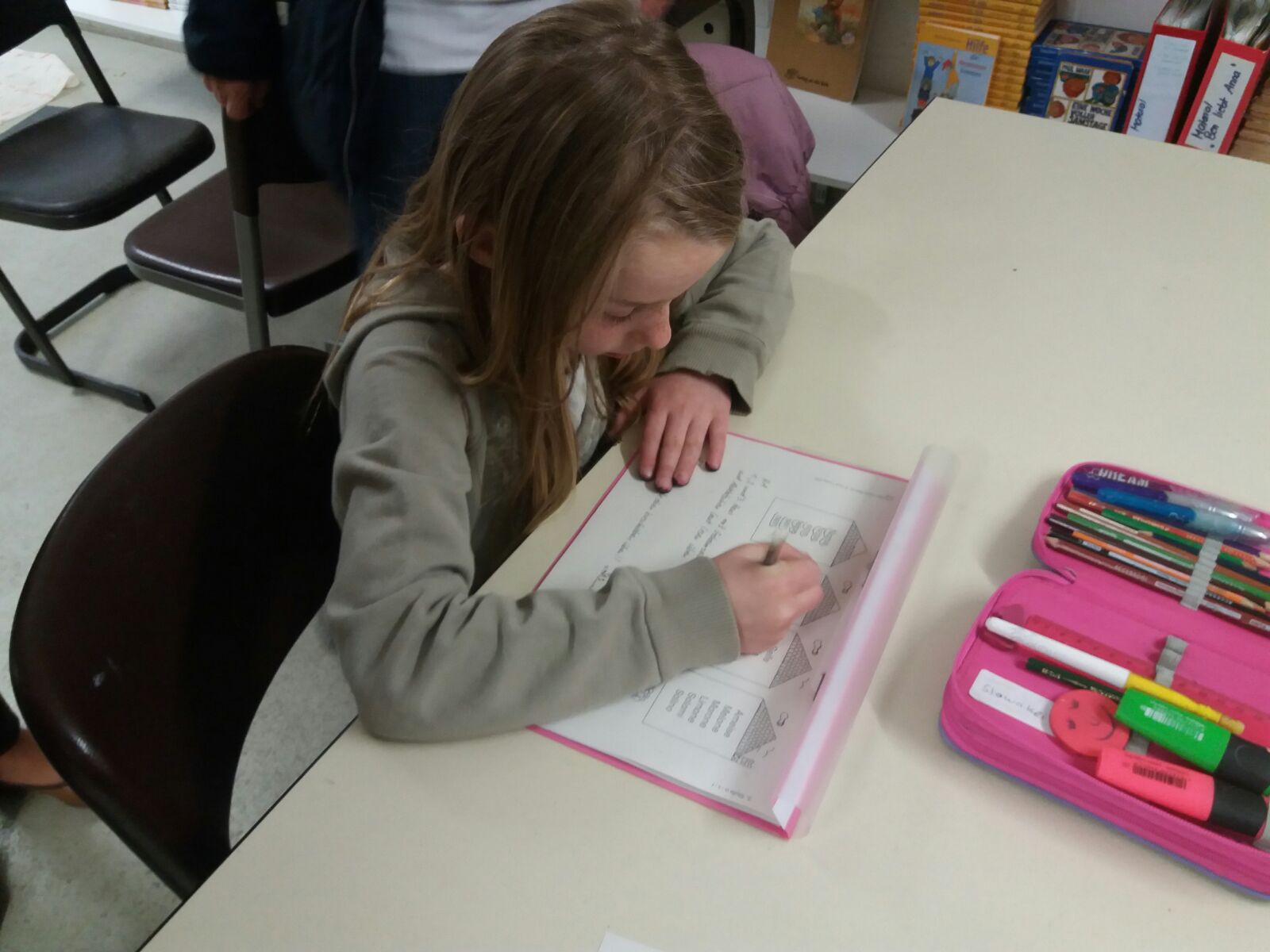
After a warm welcome from the primary students attending Europashule Gladenbach, we had a school tour where we saw different activities related to reading. One of these activities incorporated Tandem reading, which is similar to paired reading. In this activity a fluent reader helps another peer with reading difficulties to read a given text. Another interesting activity was the Reading Crash course – a special remedial course (from 10 -15 weeks) whereby learners improve their reading and spelling skills. For this course the school advises the children’s guardians to be present so as to familiarise themselves with the methods used so as
to better help their children. In order to remember and write down the correct phonemes more easily, the children use the Marburg sign language.
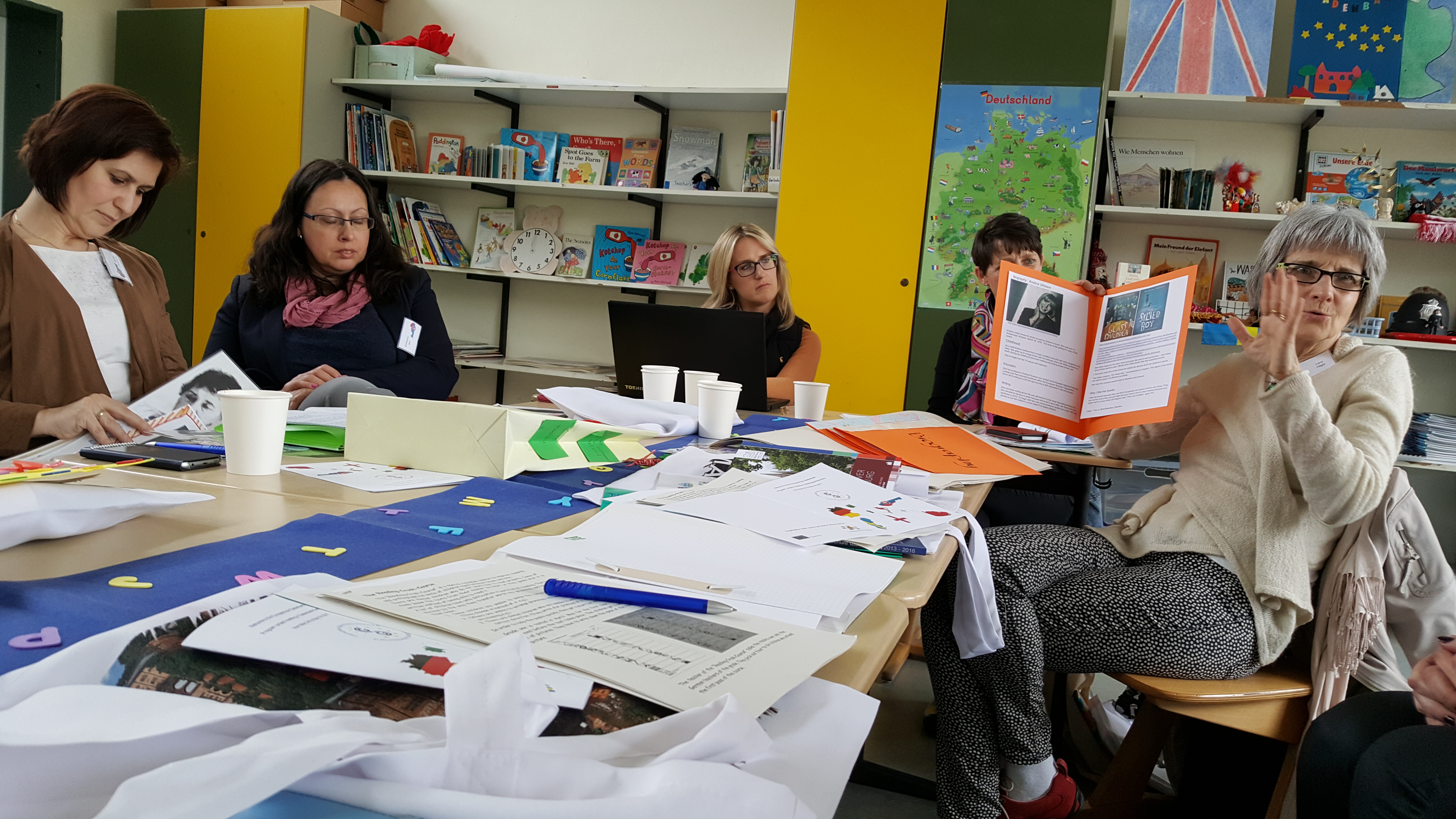
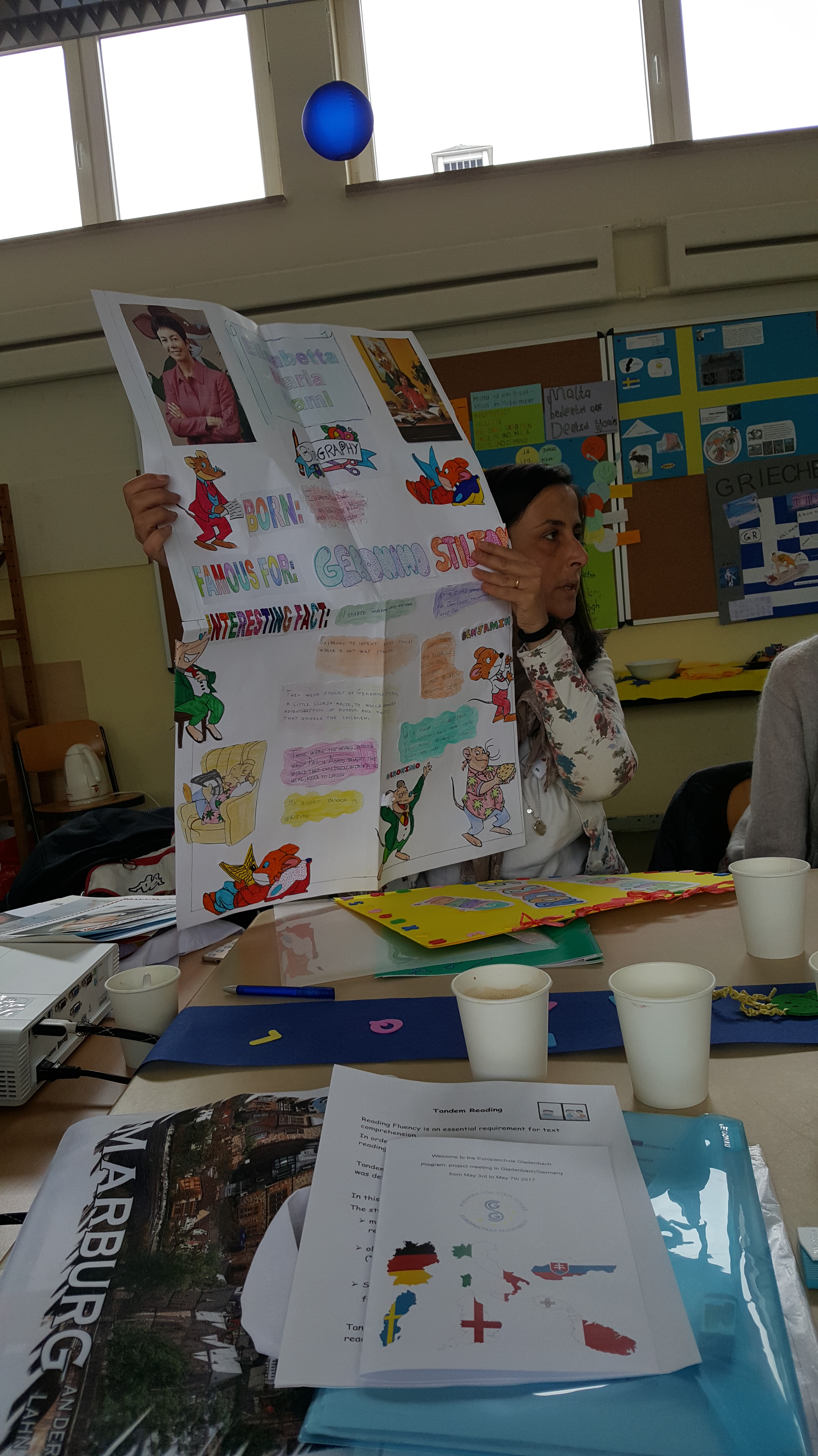
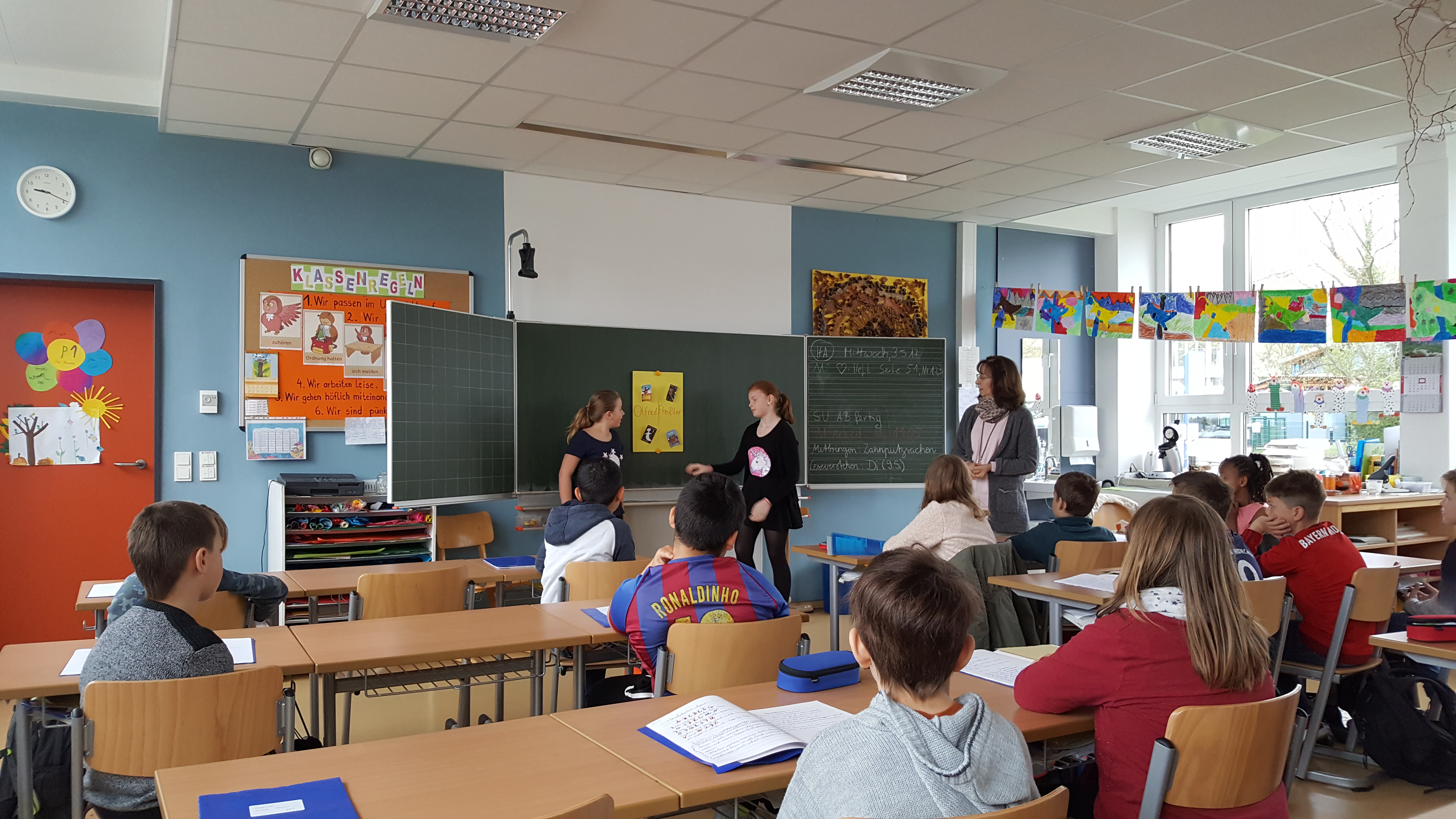
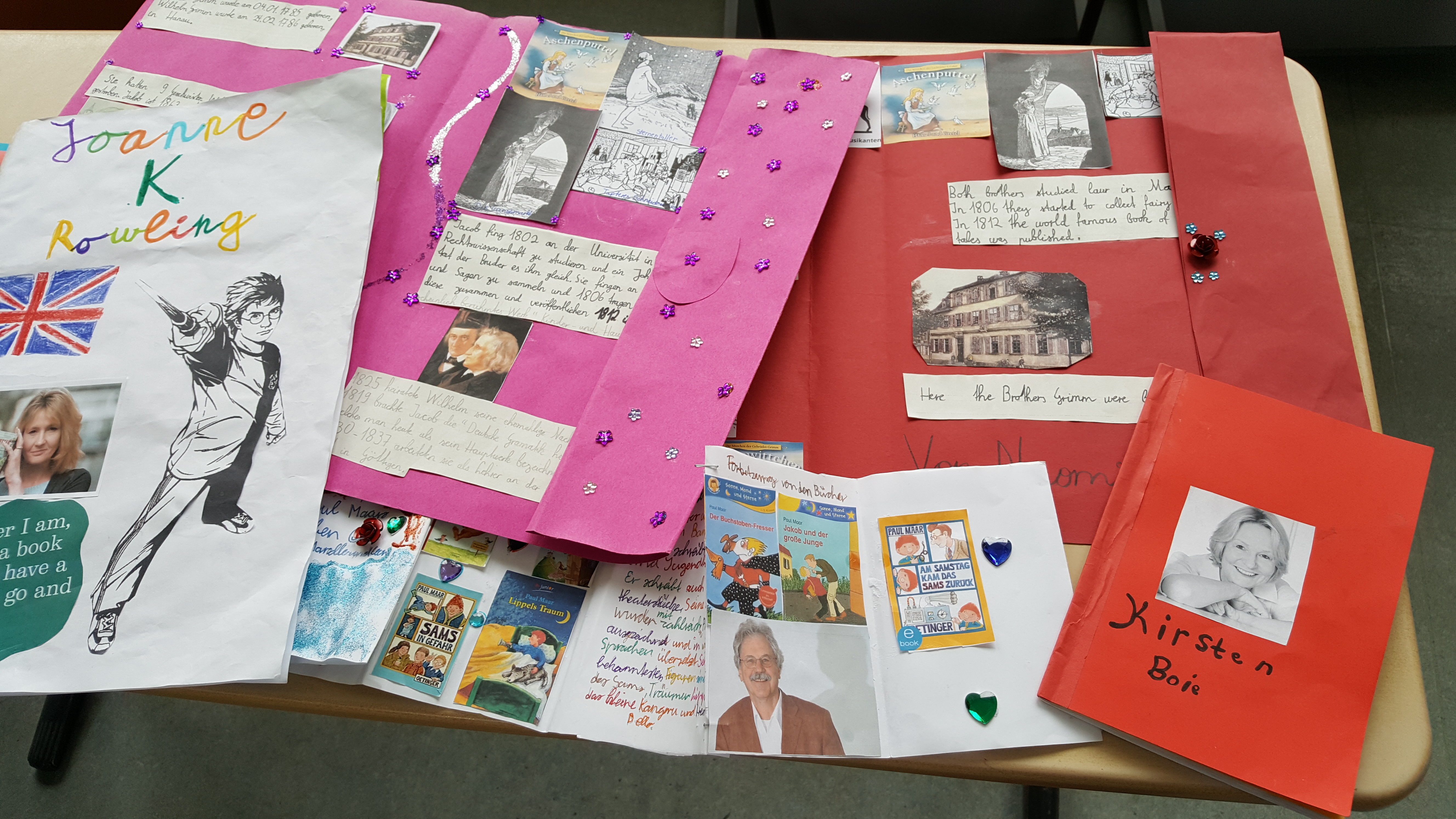
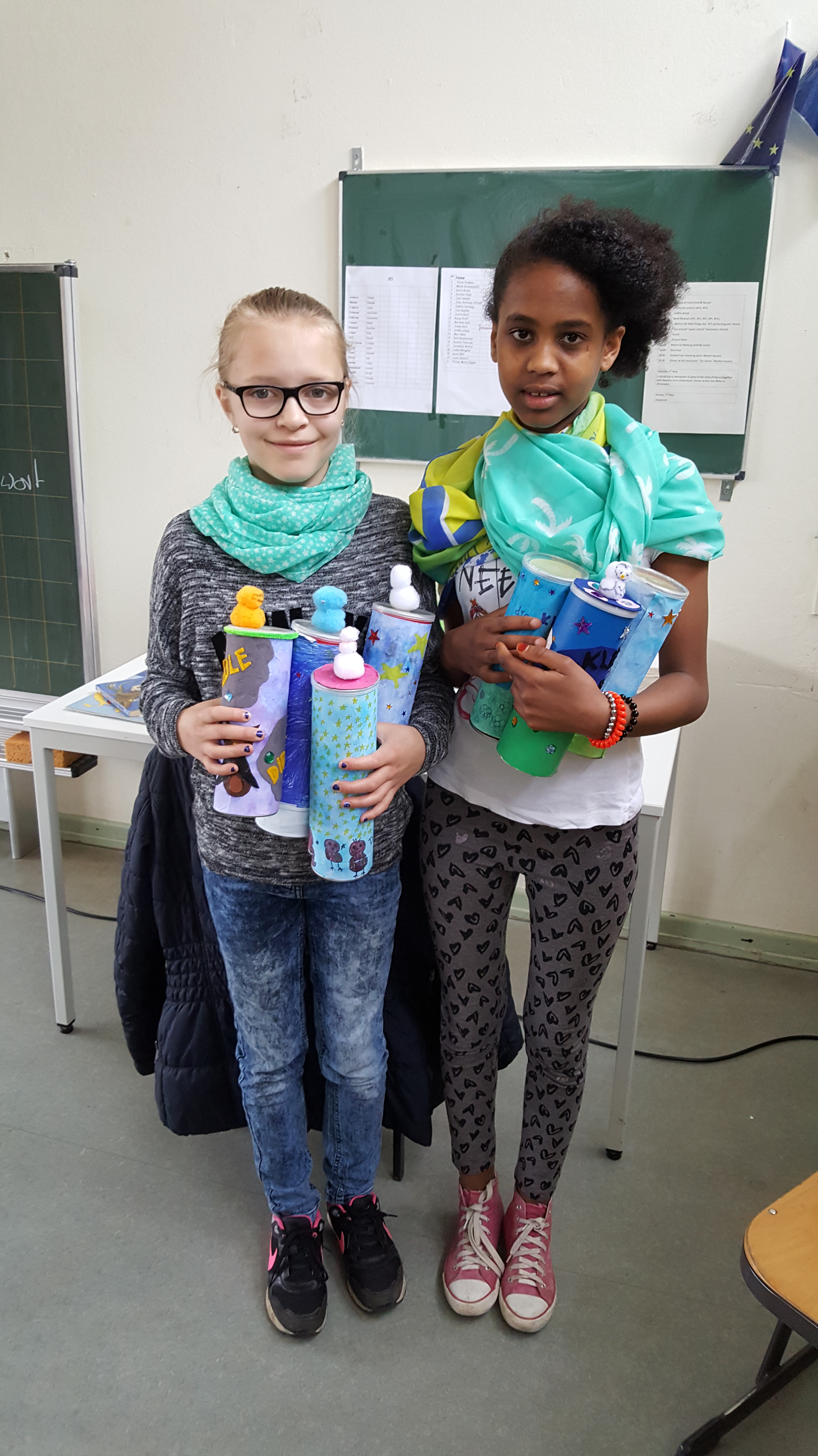
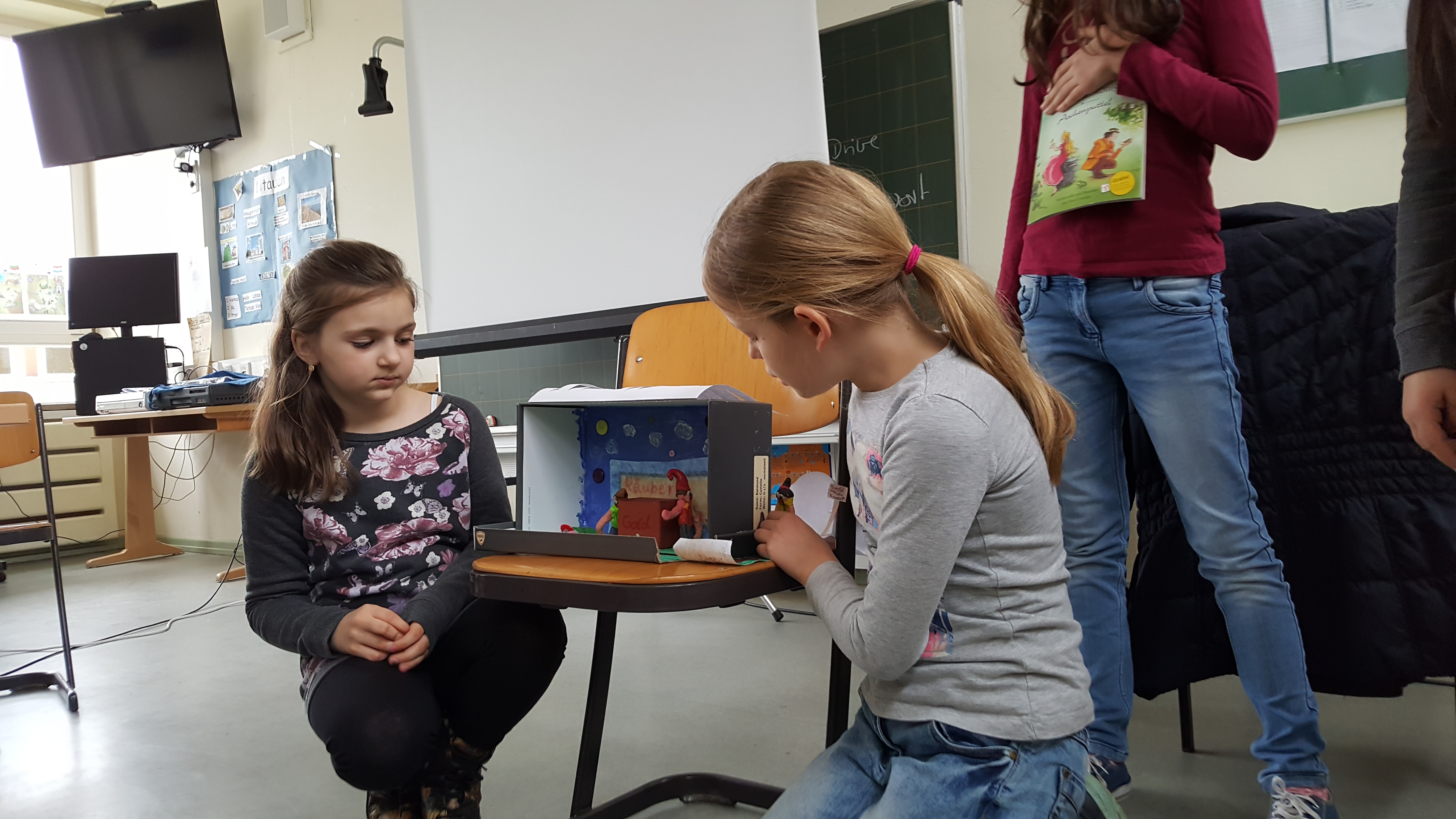
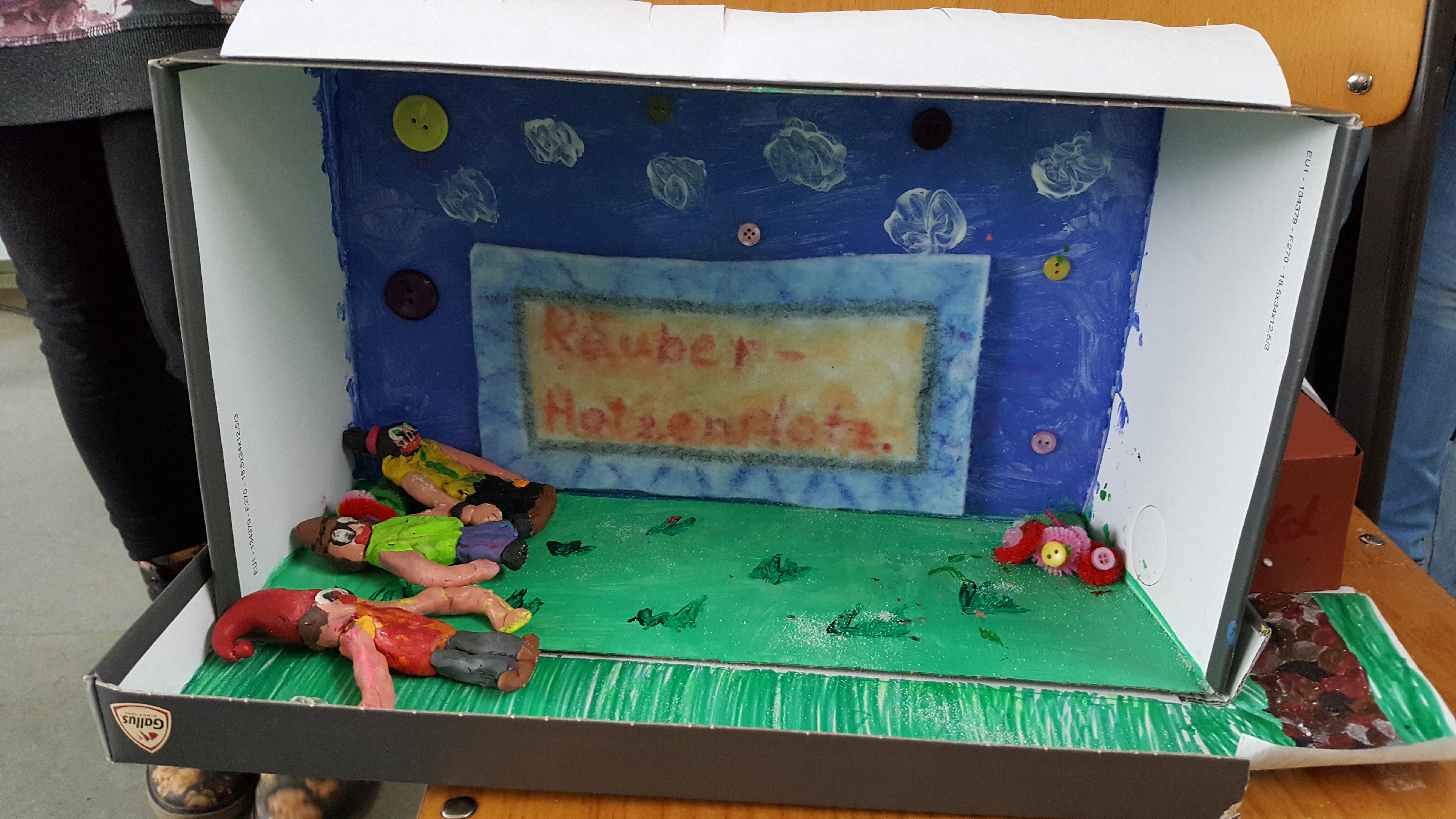
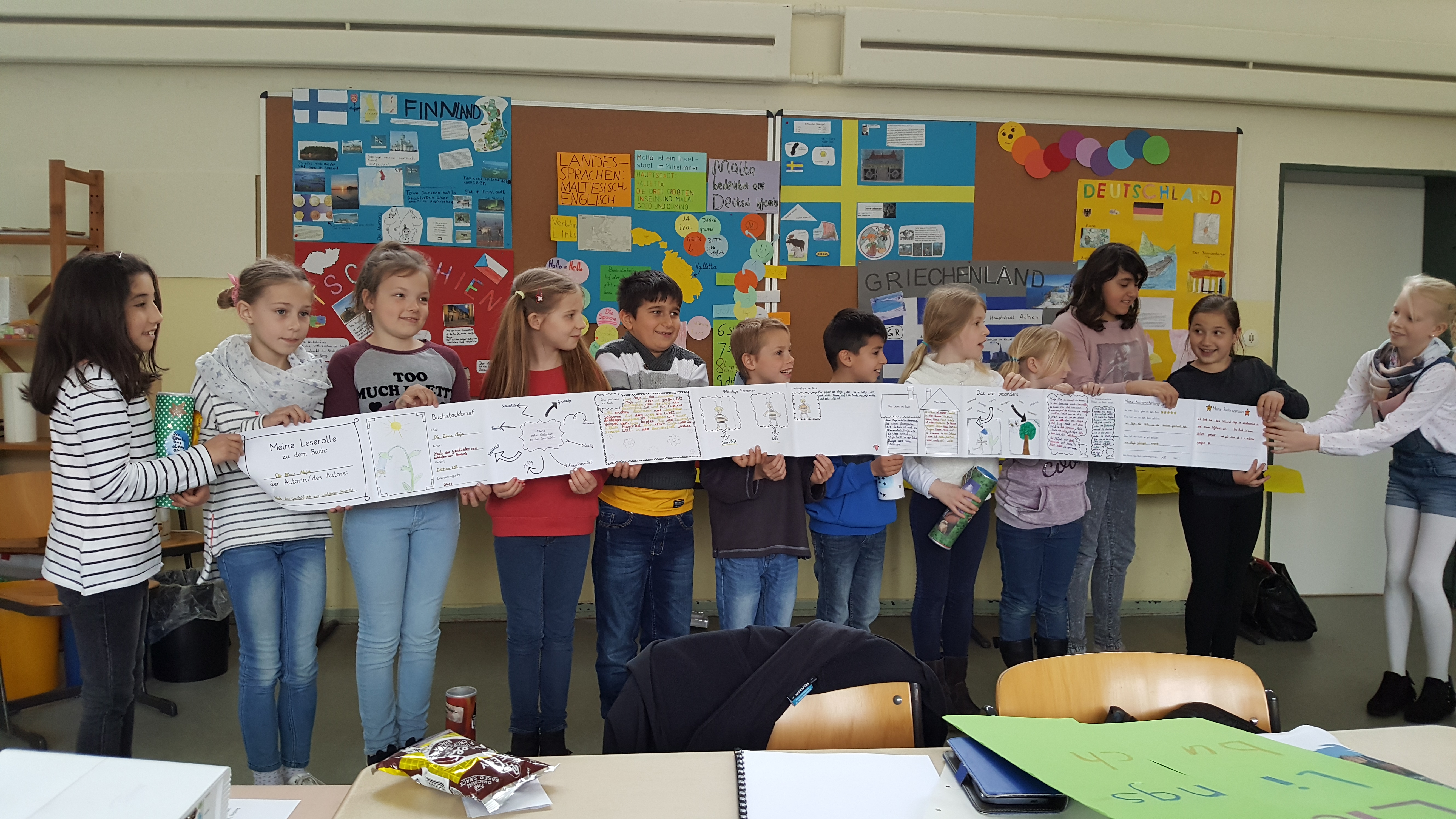
Around the school we could see a number of reading points. These are spots where riddles, short stories and jokes are displayed for the children to read. During our experience we had the chance to observe lessons and take part in language games organised by the class teachers. Students from different age groups presented their biographies and book reviews to the Erasmus partners. It was great to note the diversity in these presentations – children came up with many different ideas such as book reviews in the shape of a scroll, popping out from a hat, animated through play-dough/ clay puppets and illustrated through drawings.
We also had time to share material (book reviews and biographies), ideas and good practices related to reading. Representatives from each country presented the work carried out by students in their respective schools. During the last day we set targets for the next encounter in Torino, Italy. The main aim is for the participating schools to explore the life and works of a local author and come up with any related activity. This way all countries are free to experiment and express their own individuality. This means that the process and product might differ even though each country is working towards reaching the same objective.
This meeting has been an enriching experience for all participating members and will surely leave a positive mark in the students’ learning experience.

Visit to Nichelino
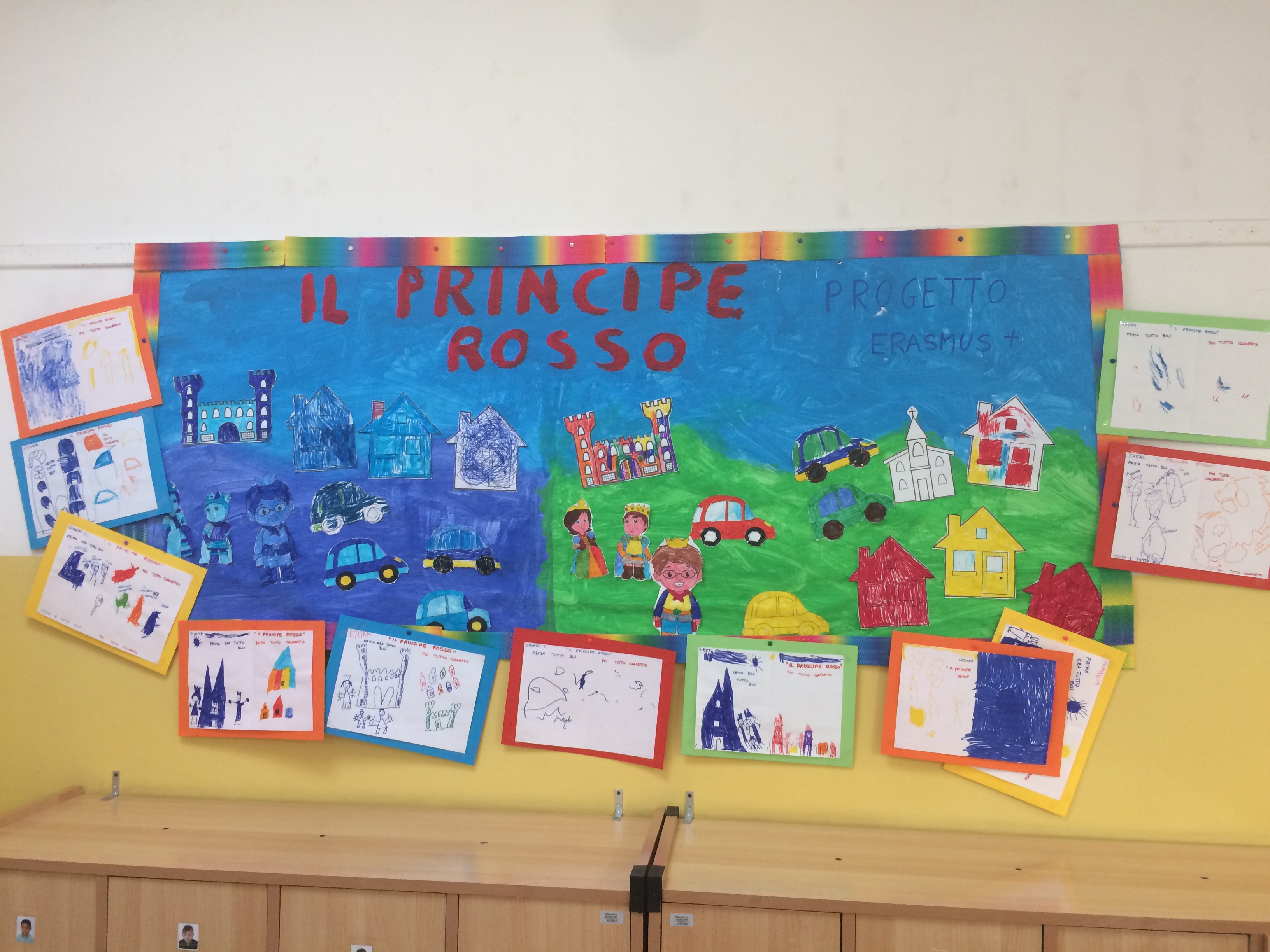
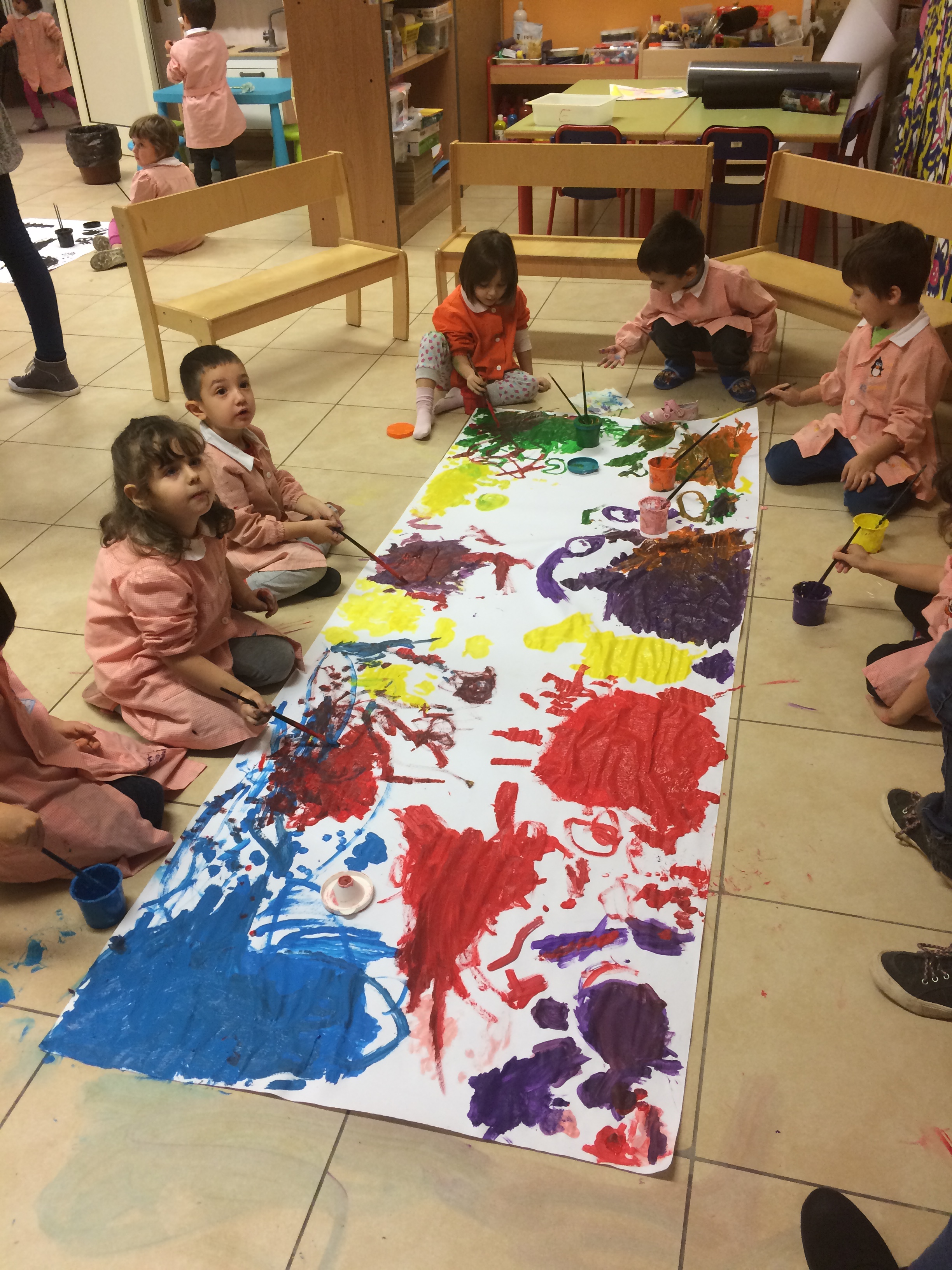
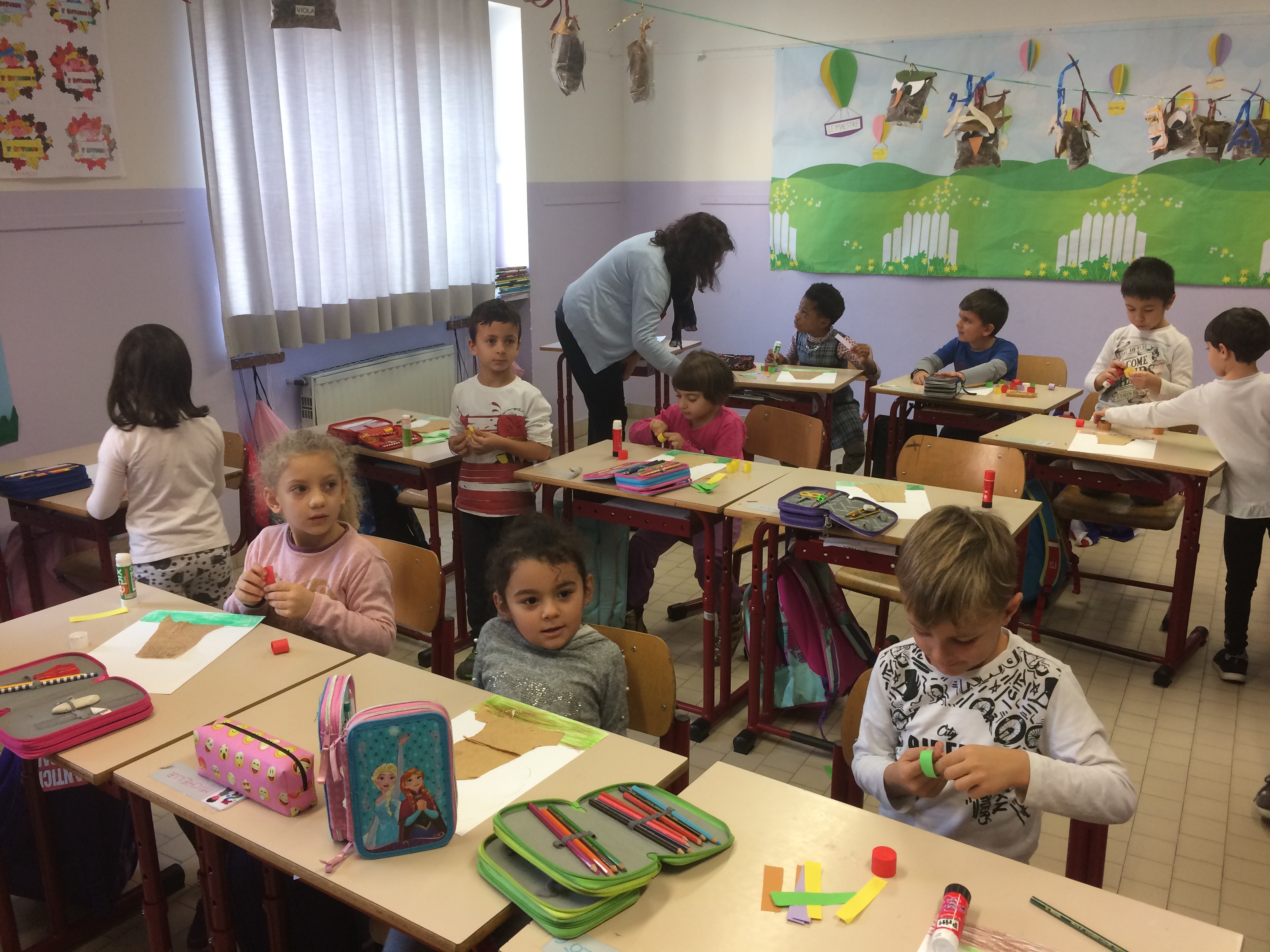
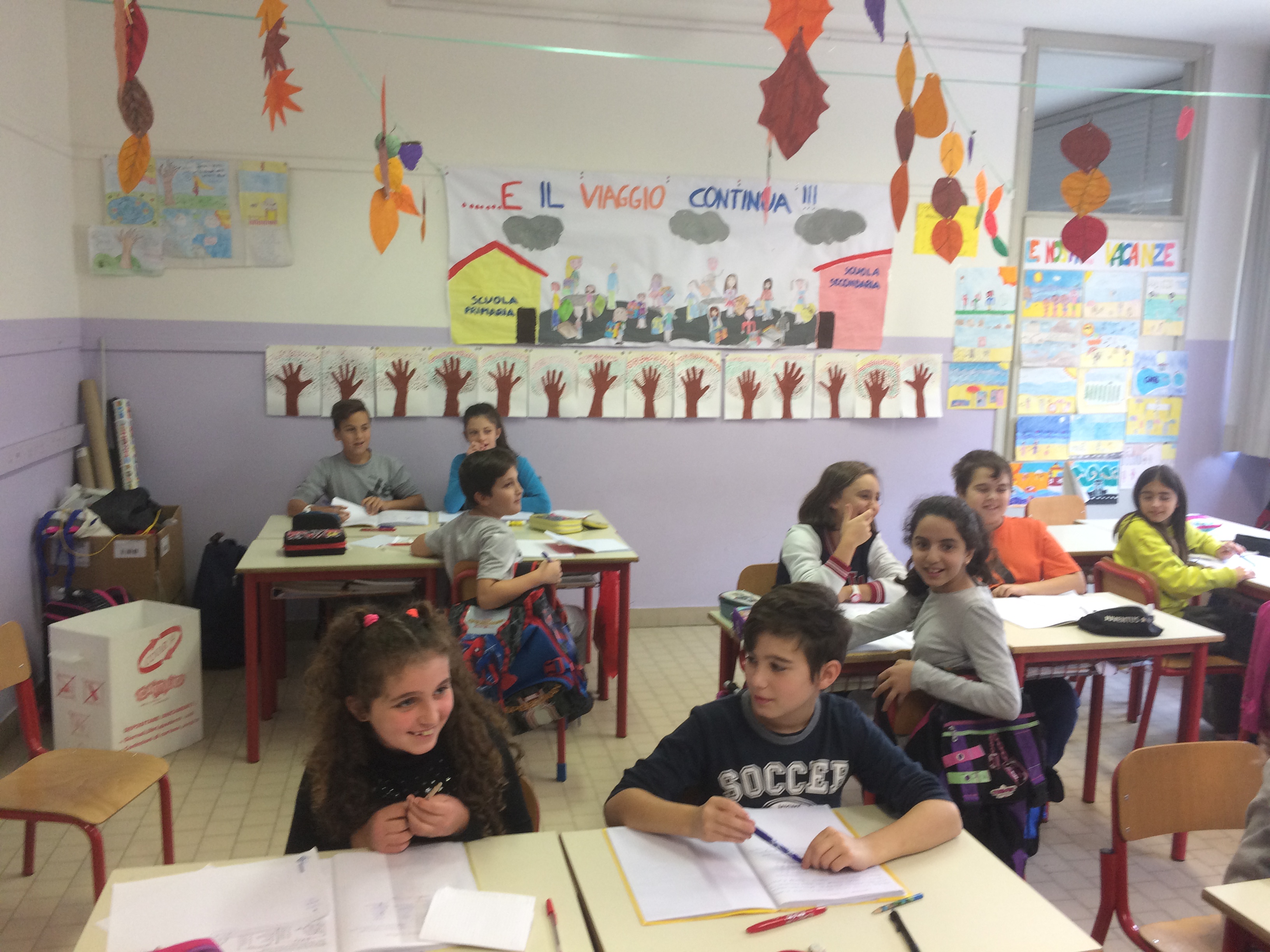
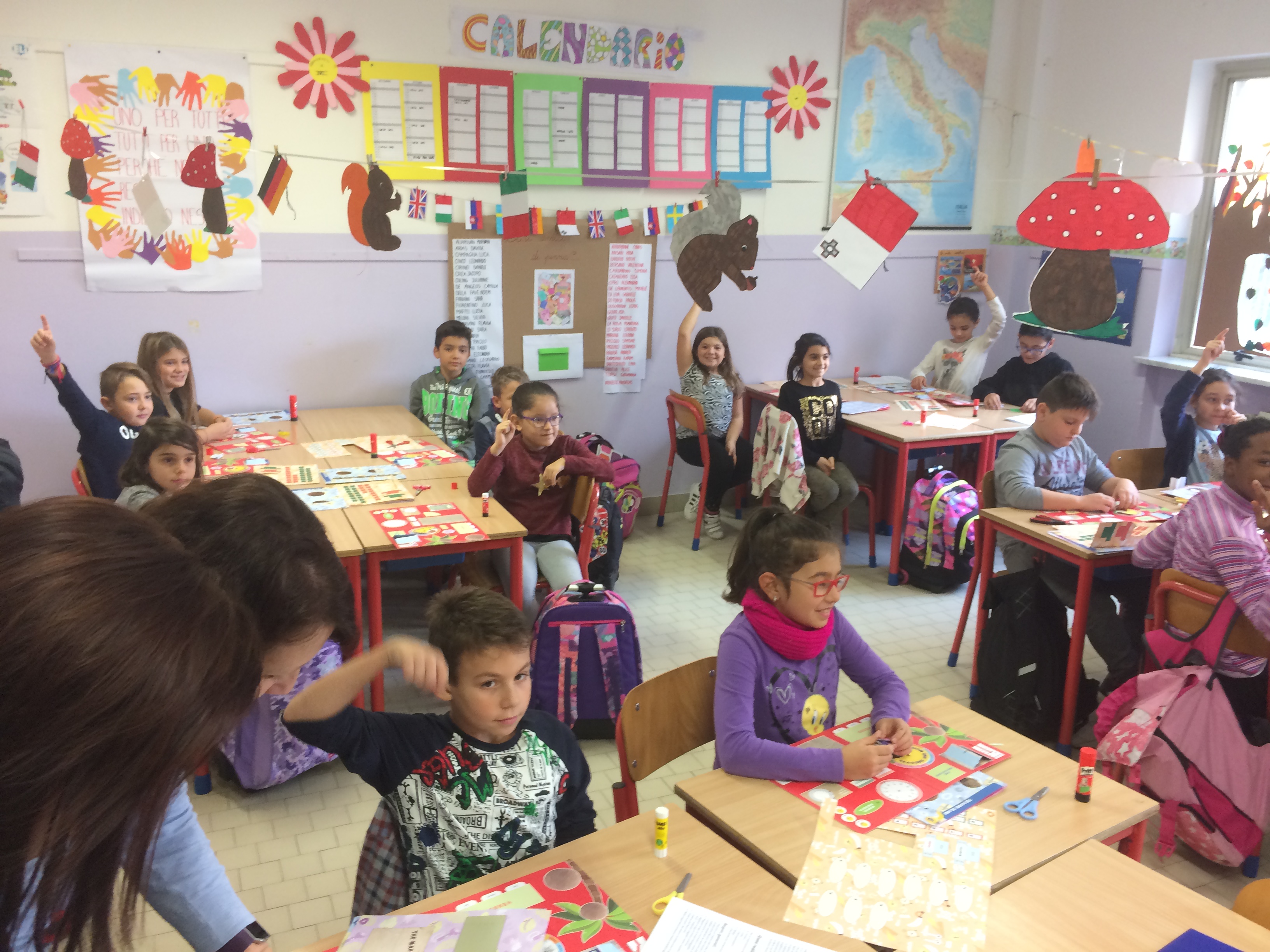
In November, Mr R. Peresso and Ms M. Deguara visited a number of schools in Nichelino. Nichelino is a small town just outside Turin, in the northern part of Italy.
These visits were part of the Erasmus + project, Bookworms in Europe, which the primary school in Siġġiewi is participating in. This project is being done in partnership with schools in Italy, Germany, England, Sweden and Slovakia. One of its major aims is to provide the opportunity for the participating schools to share strategies and activities that foster the love for reading and help in the development of their reading skills.
Mr Peresso and Ms Deguara had the opportunity to visit classes in Nichelino ranging from kindergarten to middle school. They also had meetings with representatives from the partner schools during which the work done during the ‘Meet the author’ and writing of dialogues activity was presented to everyone. They have also agreed on actions that need to be taken throughout the period December 2017 and February 2018

Games:
Siggiewi Primary school has been part of The Erasmus + project ‘Bookworms in Europe’ for the last two years. Together with our partner schools we have been sharing methodologies and strategies for reading, and providing our children with a variety of enriching experiences.
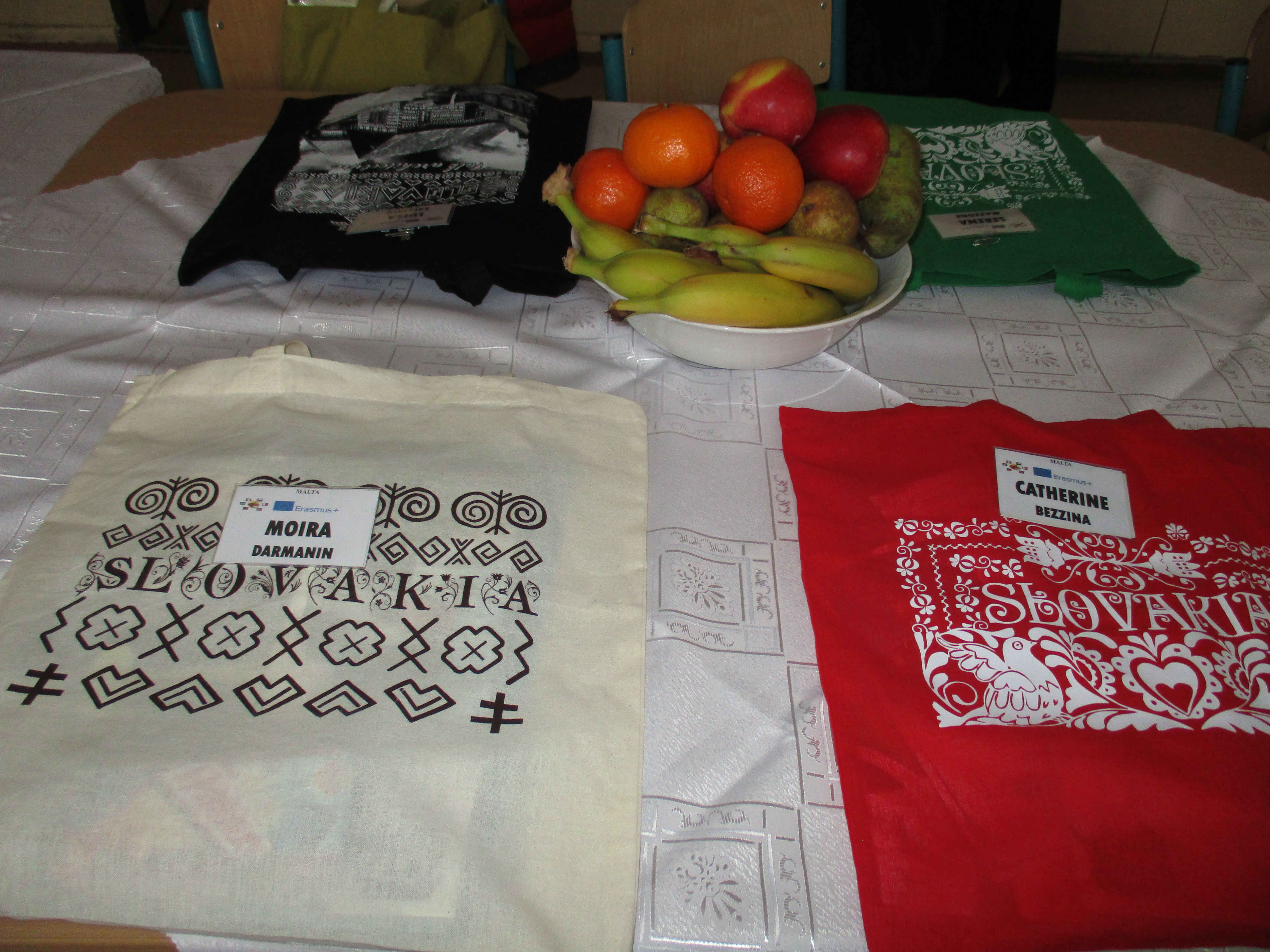
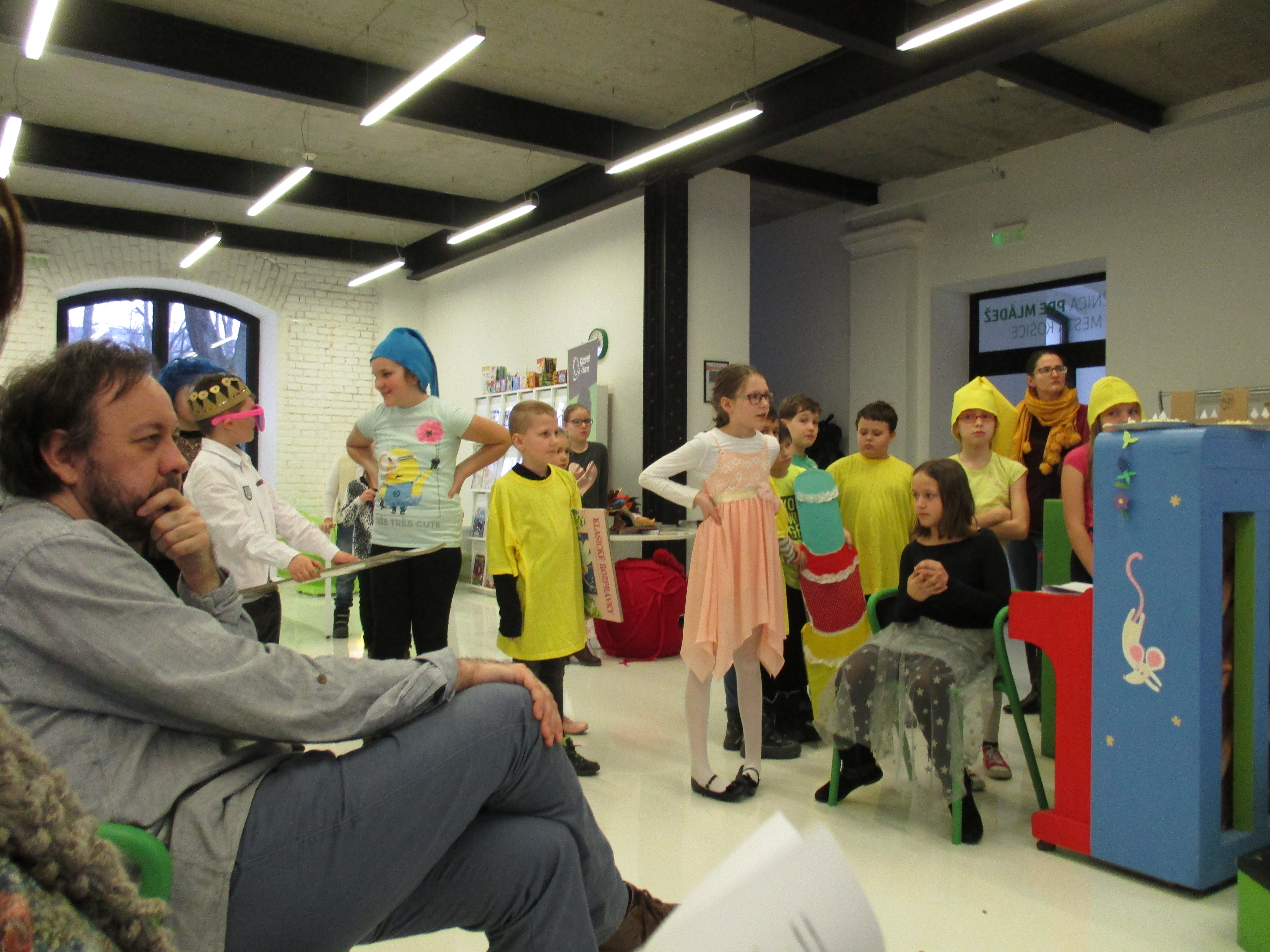
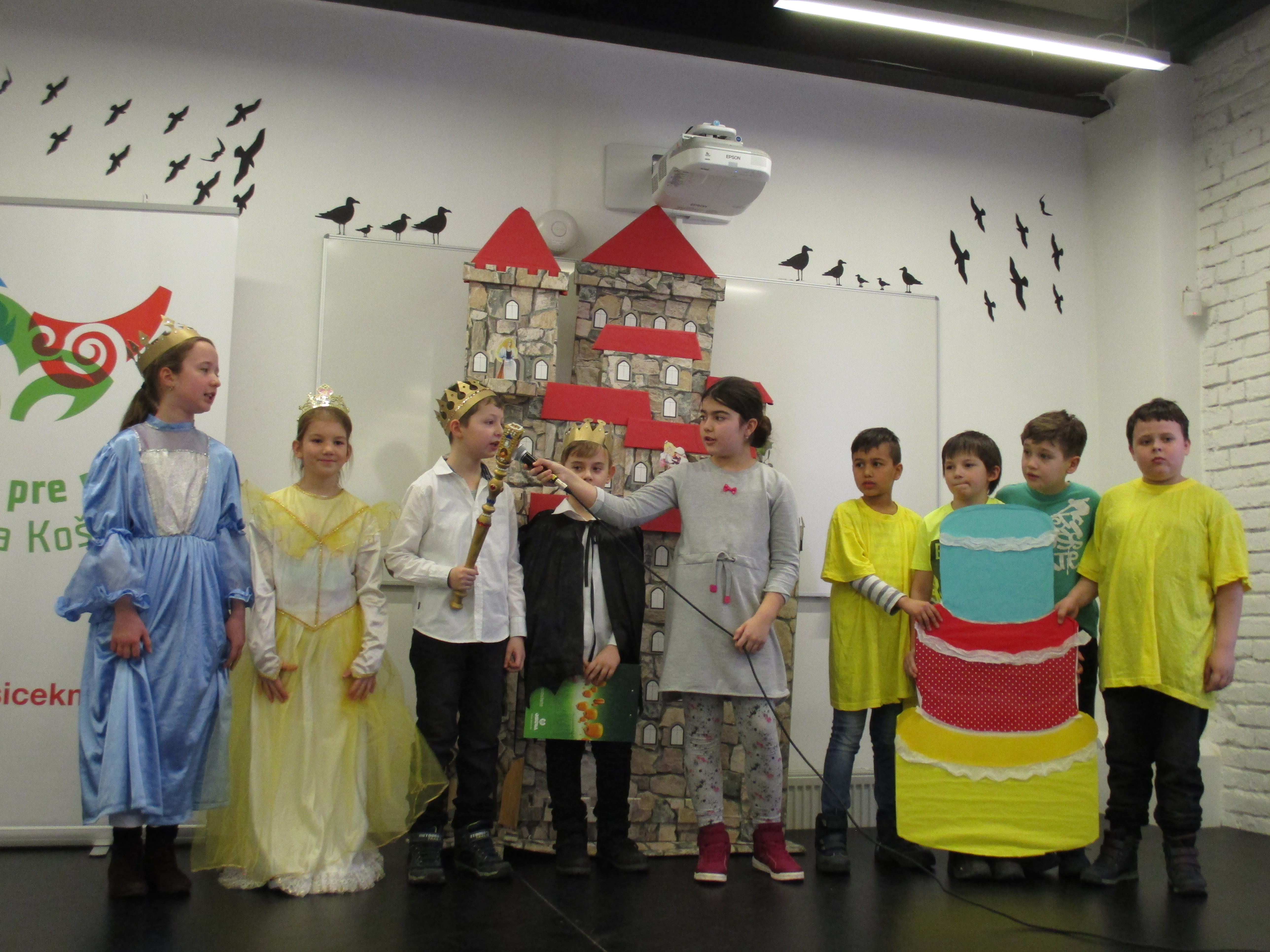
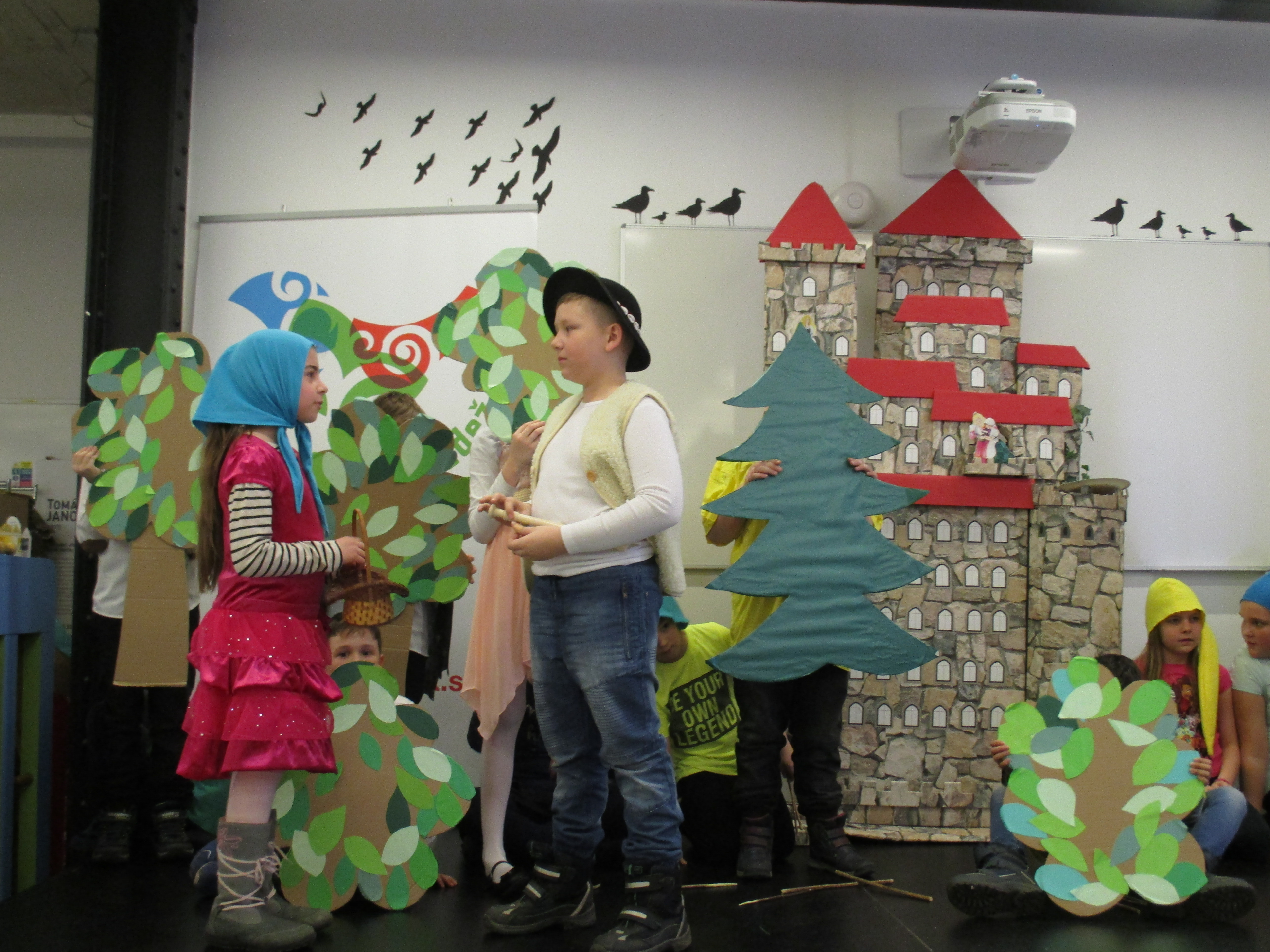
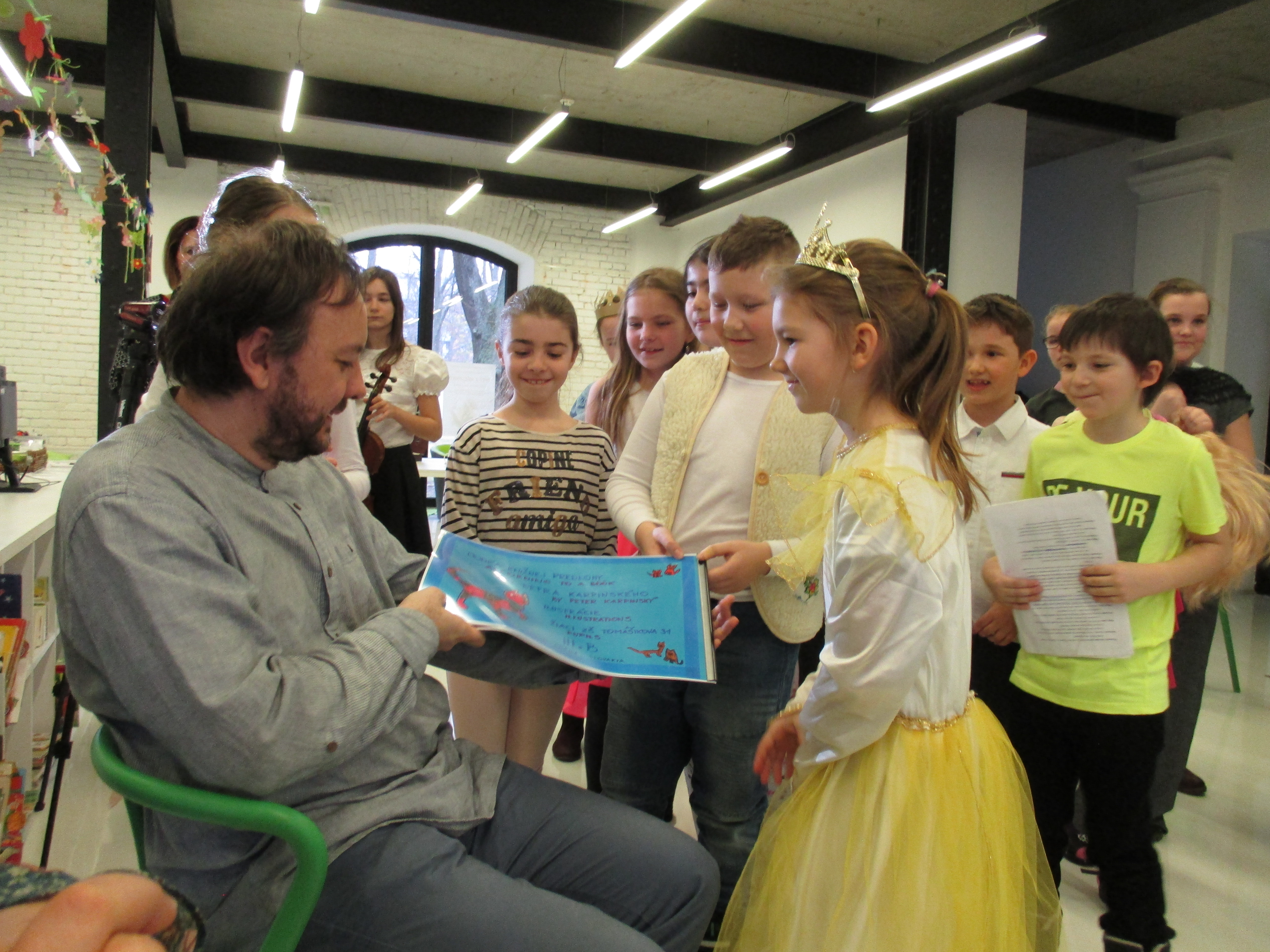
Our penultimate meeting took place in Kosice, Slovakia in the Tomasikova school. Kosice is a city with a rich history, wonderful architecture and friendly people. We were warmly welcomed with traditional music in the school foyer, walking along the corridors we could see all the photographs of the previous meetings in England, Sweden, Germany and Italy as well as projects about all the partner schools.
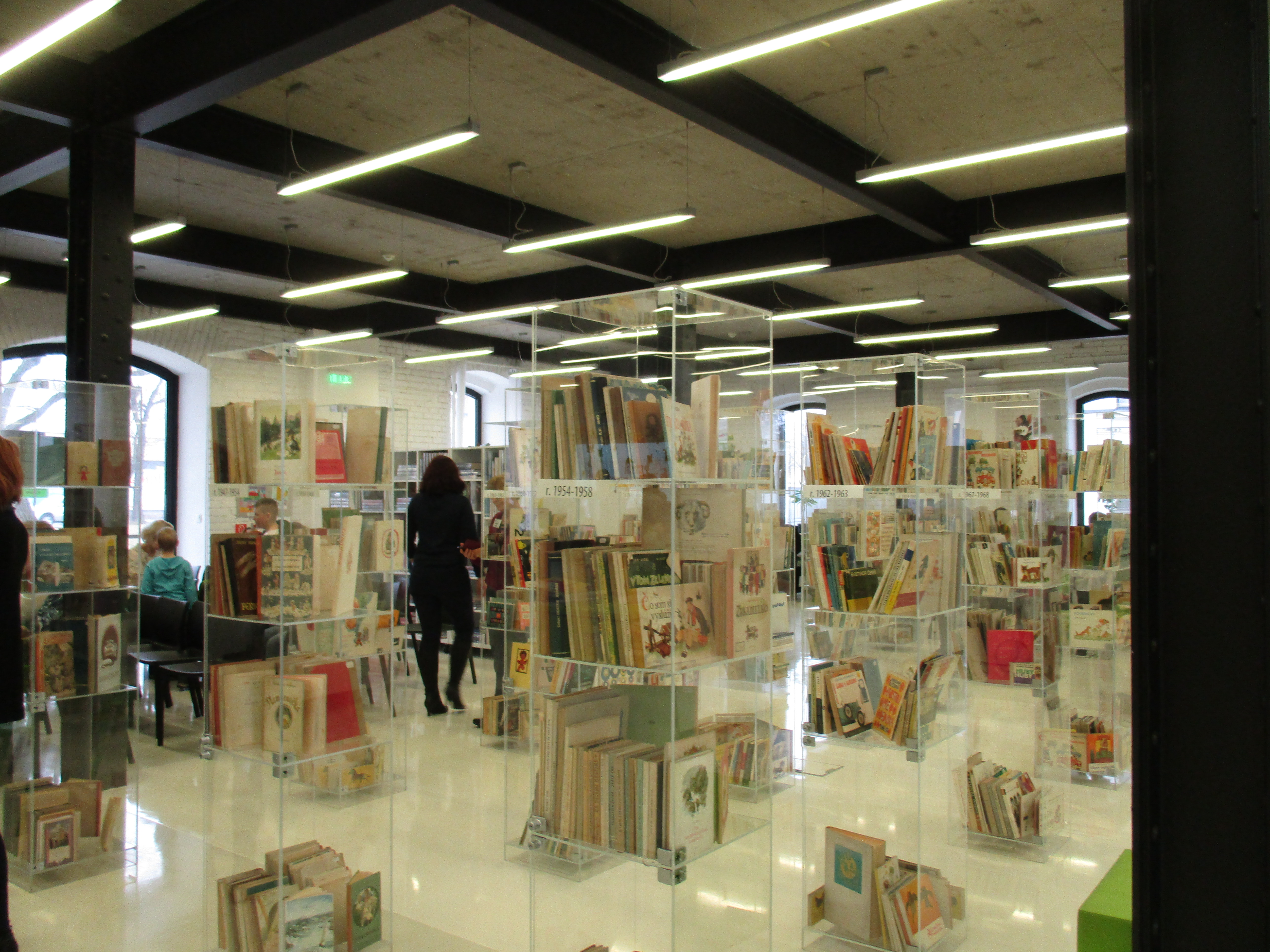
In the classes we visited we watched children participate in different activities that enhance literacy. The students approached us confidently and communicated with us during their free time. We watched a performance about a popular book in a very well equipped and modern children’s library. The author was present and he was interviewed by the children.
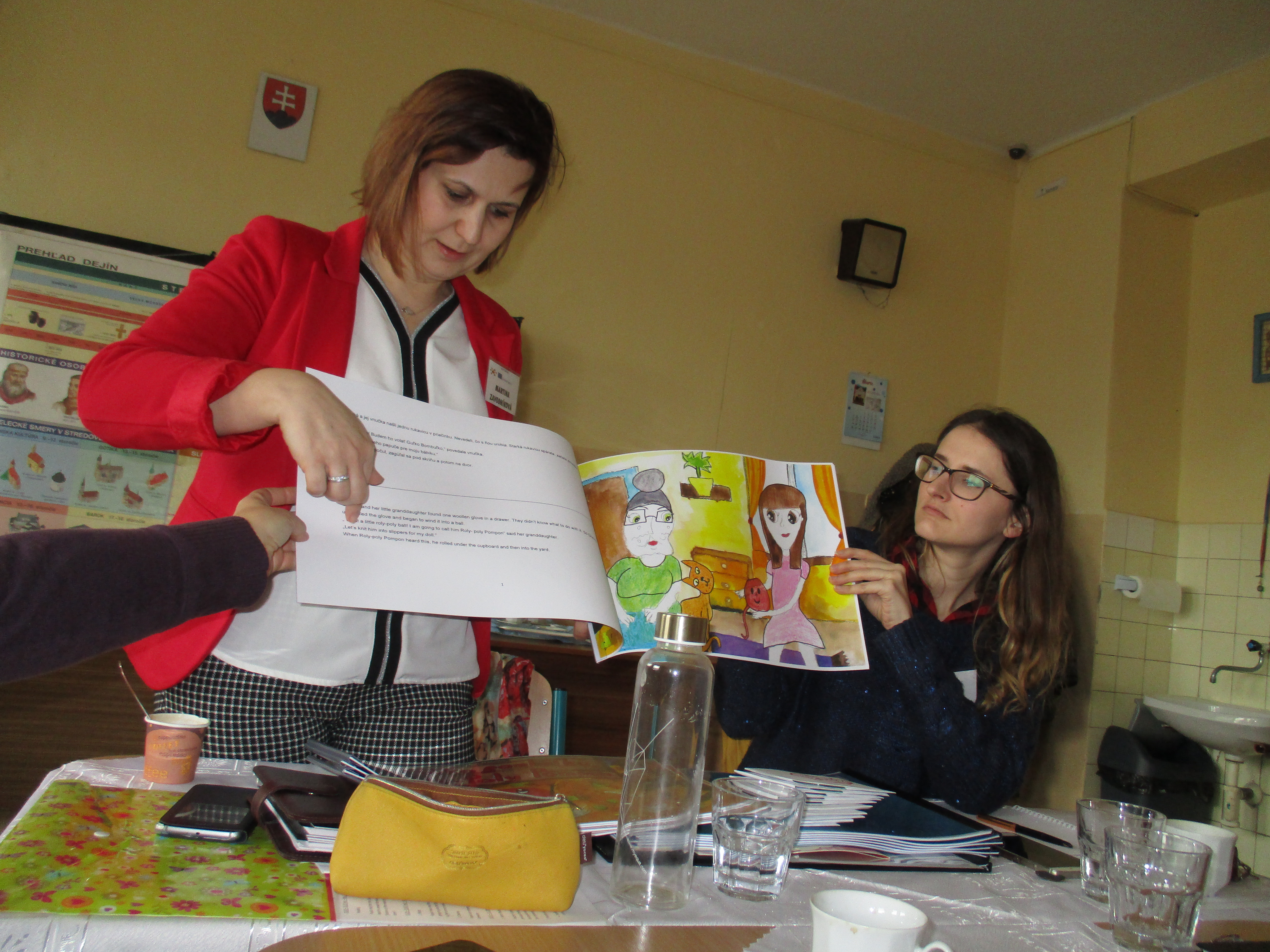
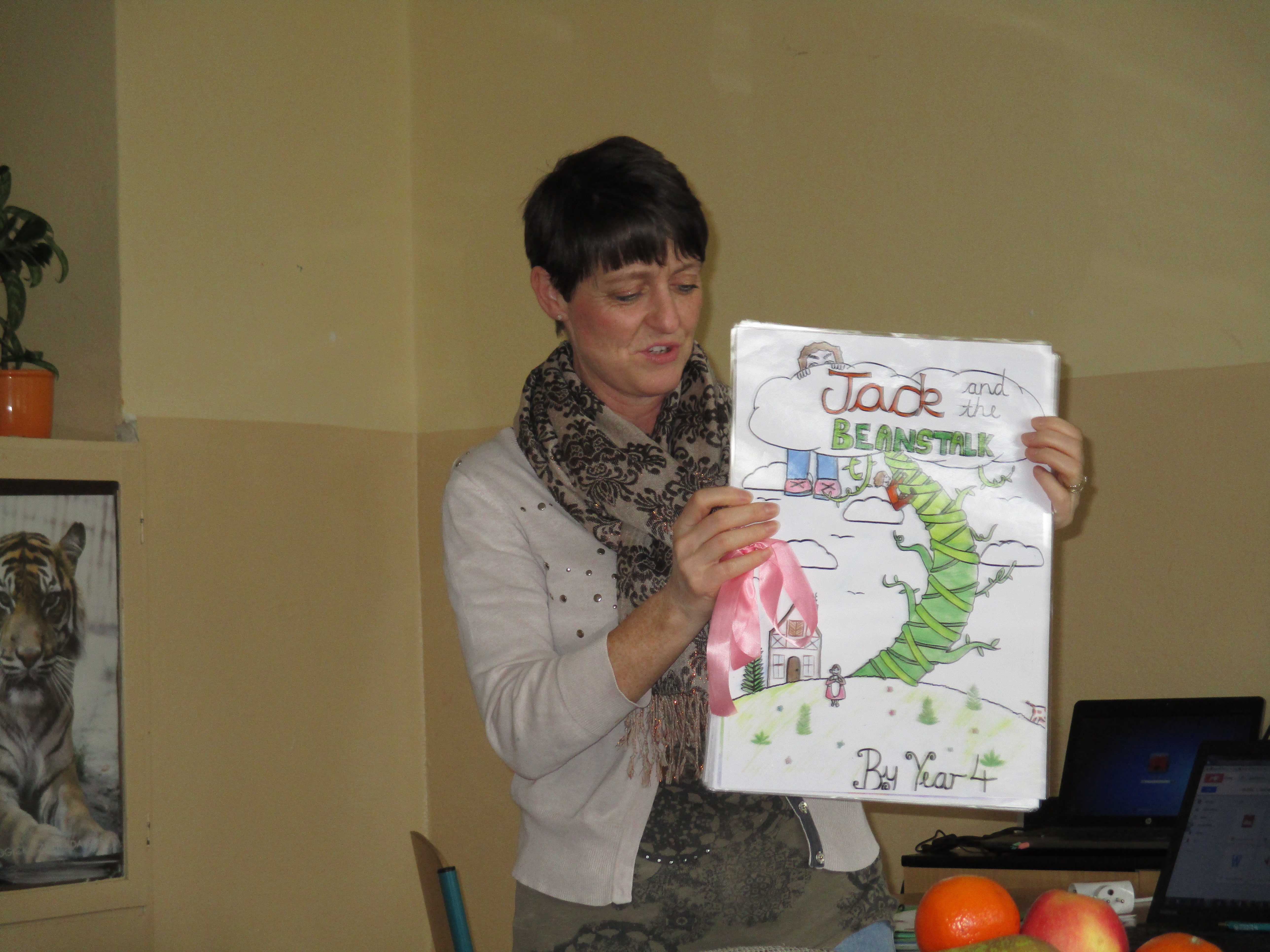
In our meetings each partner school presented a big book about a folk tale from their culture. Each book was original, created by children using different media, the stories were written in the children’s mother tongue but a translation in English was provided. Each story and book transmitted something of each country’s culture and provided an opportunity to promote reading among our schools. Our contribution was the legend of San Dimitri, created by our year 1 class under Ms. Deguara’s guidance.
Together we shared our findings about the children’s reading habits in our individual schools and about all the activities and initiatives that we embarked upon to promote a love of reading in our students. Our next collaborative work as an Erasmus+ project is to produce a handbook where each school shares two reading strategies that they practice. This will be disseminated so that our ideas can enrich our
teaching and learning and so that this project will have a lasting impact on our schools.
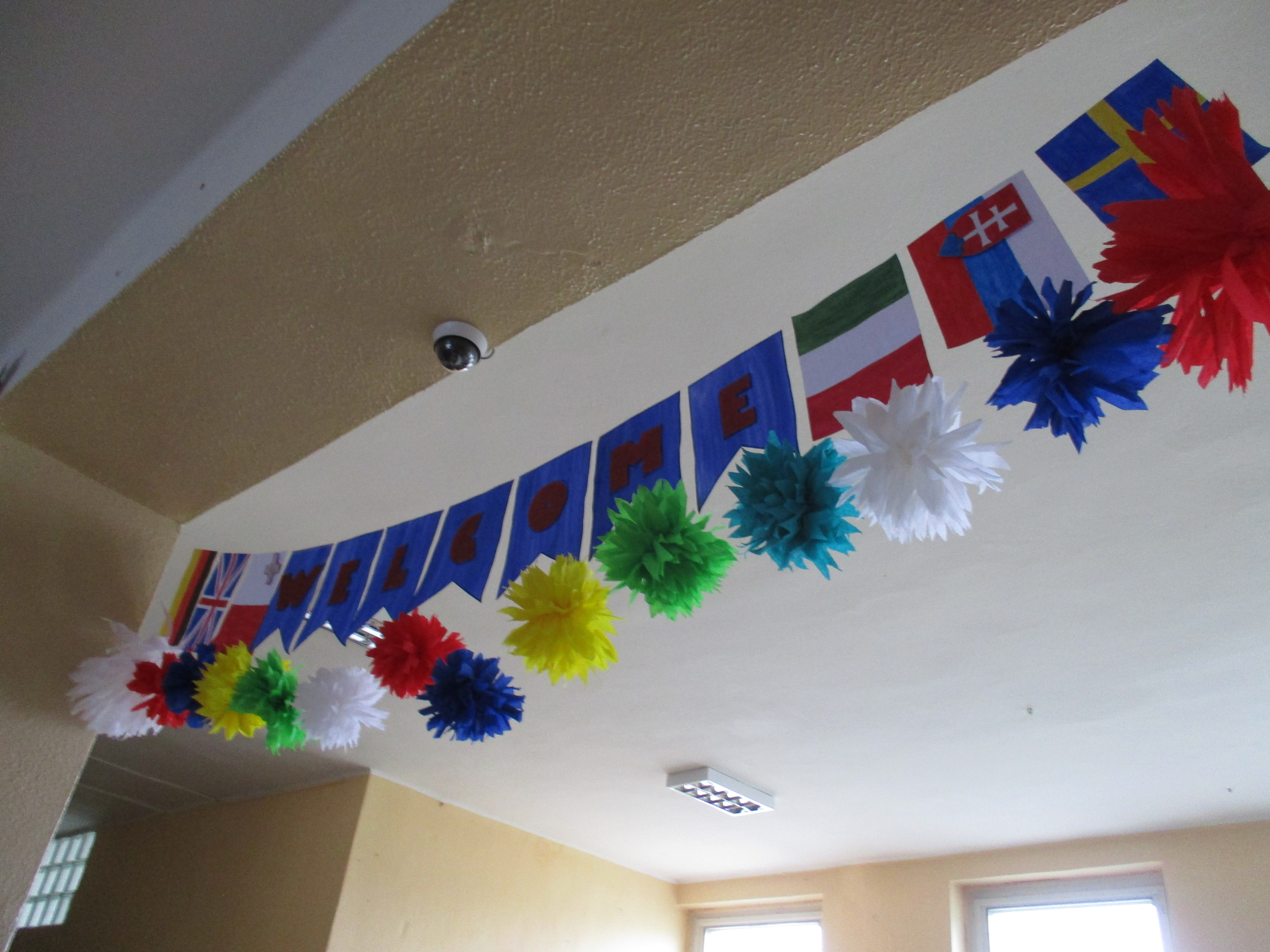
Soon it will be Malta’s turn to host our partner schools. Preparations for this final visit are already underway. We will host our partner schools and share with them our teaching methods and our culture. This will be a learning experience of different languages and cultures for our children.


 St Ignatius College, Patri Ġużè Delia, Siġġiewi Primary