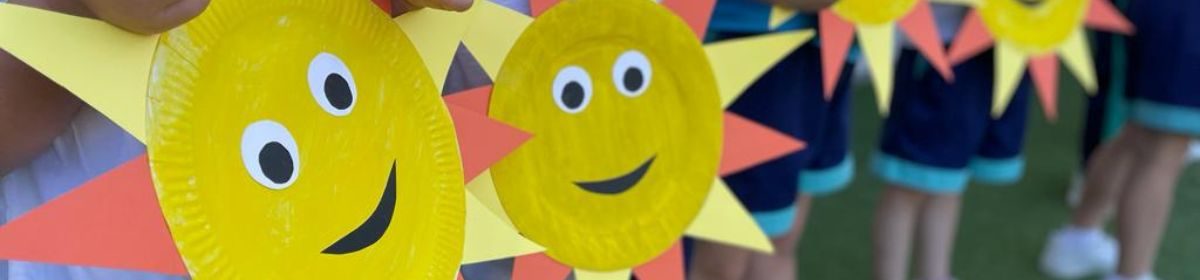
Creating shakers with your children can be fun. Below you can find three links to get some ideas on how to make shakers.
These are four ways of how to make good use of your shakers.
Move and shake
Aim: Imitating actions and learning new vocabulary.
Here are some actions to do with the shakers. It is very important to say the phrase while doing the action. Encourage your child to do the same.
- Shake your shakers in the air
- Shake it high and shake it low
- Shake it yes, shake it no
- Shake it up and shake it down
- Shake it near and shake it far
- Shake it fast and shake it slow
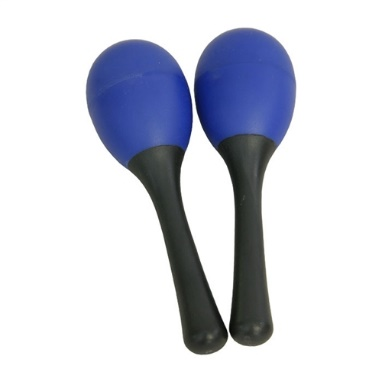
Shake to the music
Aim: Developing rhythm and rhyme. Rhythm and rhyme are important phonological awareness skills. These skills prepare children for reading and writing.
- Put on some music and have fun shaking the different shakers along with your child as you dance.
- Ask your child to listen to the different sounds in the music and choose the sound s/he likes best.
- Try to get your child shaking along with the beat. (The beat is the sound that is like a heartbeat. It can be fast or slow).
- Now get them to try shaking along with the rhythm. (The rhythm is a pattern that usually repeats, consisting of short and long sounds)
Listening match
Aim: Developing the skill of discriminating between sounds. This is another important phonological awareness skill which will help children learn how to recognize different sounds. This will help them to develop the skill to discriminate between the different sounds in words. This is an important pre-reading and pre-writing skill.
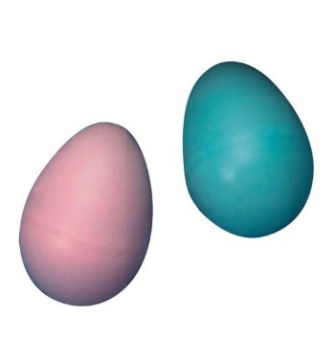
For this activity we are going to use plastic egg shakers filled with seeds/popcorn/lentils or rice.
- Fill in plastic eggs with popcorn seeds, lentils, rice etc.
- Mix up the eggs and encourage your child to pick up an egg and shake it.
- S/he must shake all the eggs and listen attentively to the sounds they make.
- Using his/her listening skills, your child must remember the sounds each egg made and try to match the 2 eggs which made the same sound. (That is the eggs that are filled with the same seed).
(Prompting him/her to keep shaking the eggs until s/he finds the one that matches will help).
Encourage the child by asking questions like; ‘Do you think that they make the same sound?’
Rhythm copy shake
Aim: Developing auditory memory skills. Auditory memory is a very important phonological awareness skill. It will help them remember information given to them orally, follow instructions, recognise sounds and match them to letters and understand what they have read.
Take a shaker and shake it to the rhythm of a familiar song. Give another shaker to your child and ask him/her child to copy the rhythm you made with the shaker. Challenge your child to shake a rhythm s/he chooses and you have to copy it.
Links:
How to make an egg shaker: https://www.youtube.com/watch?v=ntwc-hBHKoA
How to make a paper plate shaker: https://www.youtube.com/watch?v=usu97dYr76k
How to make a paper cup shaker: https://www.youtube.com/watch?v=DQKtp7UbBcQ
Hope you like these ideas and enjoy these games!
Ms. Pauline
Kinder 1.3


 St Ignatius College, Patri Ġużè Delia, Siġġiewi Primary