More from our Nurture Class (Maltese version)

Għeżież ġenituri u kustodji,

Nisperaw li tinsabu tajbin.

Illum qed nibagħtu xi riżorsi li jistgħu jsiru minn uliedkom f’dawn iż-żminijiet.  Ma’ kull attivita’ għandkom issibu l-eta’ rakkomandata u xi linji gwida ta’ kif issir.

Grazzi tal-attenzjoni tagħkom.

Tislijiet,

Ms Janice u Ms Claire

Tim tan-Nurture.


Logħob għad-dar

https://www.youtube.com/watch?v=6xwiTa_xVlM

  • Adattat għall-istudenti ta’ kull eta’.
  • IMPORTANTI: M’hemmx għalfejn li jifhmu kull kelma. Tkun ħaġa tajba li ż-żgħar taraw il-vidjow magħhom.

Worries Story

https://www.youtube.com/watch?v=0zpH3f1TMzM

  • Adattat għal studenti żgħar u ġenituri.
  • Iddiskuti ma’ uliedek sitwazzjonijiet li jinkwetawhom. X’jistgħu jagħmlu biex ma’ joqogħdux jinkwetaw?


Feelings Guessing Game

https://www.youtube.com/watch?v=MeNY-RxDJig

Adattat għall-istudenti ta’ kull eta’.

  • Il-vidjow jista’ jintwera f’daqqa jew maqsum f’partijiet jekk il-kontenut ikun wisq għal uliedek.
  • L-istudenti jiddiskutu u jirriflettu dwar il-varji punti li jissemmew.


Emozzjonijiet u burdati.

Attivita’ 1:  Feelings matching Activity. FeelingsMatching

  • Adattata għal studenti tal-1 u t-2 sena.
  • Ħares lejn l-istampi u ddiskuti.
  • Imbagħad aħdem il-ħendawt.


Attivita’ 2:  Feelings and mood – Say this  feeling_and_mood_say_this

  • Adattata għall-istudenti mit-tielet sena ‘l fuq.


Activita’ 3:  Feelings and mood – I feel practice feelings_and_mood_i-feel_practice

  • Adattata għall-istudenti mit-tielet sena ‘l fuq.


Attivita’ 4:  Feelings and mood – My feelings, my needs feelings_and_mood_my_feelings_my_needs

  • Adattata għall-istudenti tal-5 u tas-6 sena.


Attivita’ 5:  Conversation cards conversation-game

  • Adattata għall-istudenti tal-5 u tas-6 sena.
  • Ftakar li meta tkun kapaċi jkollok diskussjonijiet tajbin tkun qiegħed issaħħaħ ir-relazzjonijiet tiegħek mal-oħrajn ukoll!
 

Kindergarten Activity No. 60 – A Number Game

Sensory Bin Number Hunt Game


A sensory bin is a box/container filled with either sand, rice, water, water beads etc. The box/container should be big enough to allow your child to move his/her hands in the filler without making a mess. We use sensory bins at school. They are a fun hands-on learning experience for our learners. They enjoy running their hands through sand, rice, water beads or shaving foam. Apart from offering a multisensory experience, which enhances their learning, a sensory bin offers them a soothing and calming experience while learning.

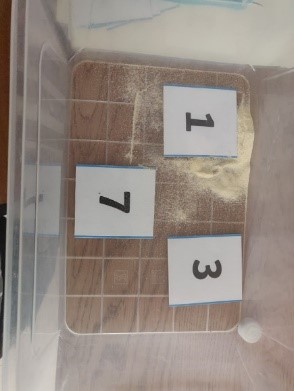
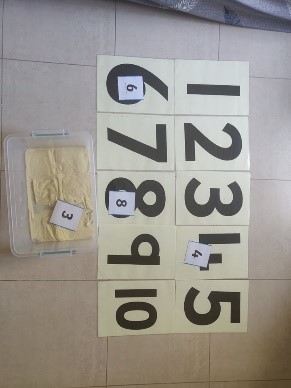
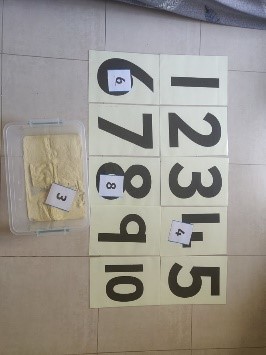
This is a number recognition and matching game.  The children have to dig their hands in the sensory bin, take a number card, say the number on that card, and match it to the number on a number chart.

For this game you will need:

  • A plastic container
  • A filler such as rice, sand, popcorn kernels, water beads etc.
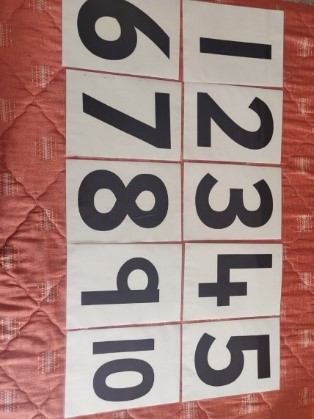
  • A set of number cards from 1-10
  • Number mat with numbers from 1-10

I have printed my number cards and number mat, but you can make your own out of cardboard paper.

Number Recognition and Matching Game

This game will help children reinforce their:

  • number recognition skills
  • counting skills (from 1 to 10 or from 1 to 5)
  • problem solving skills


How to play this game:

  1. Before starting the game count the numbers from 1 to 10 together with your child (you can choose to count from 1 to 5, depending on your child’s ability).


  1. Then, show the number cards to your child, one at a time, and ask him/her to say the number on the cards.


  1. Take the container and fill it with any filler you like. (I filled the bin with sand)


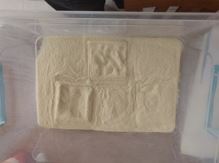
  1. Bury the cards in the filler of your choice. (As indicated in the picture).


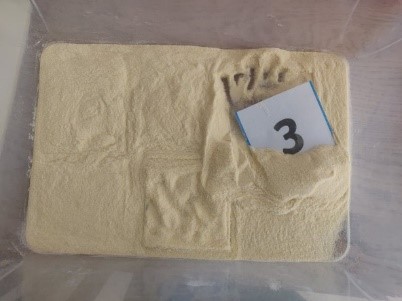
  1. Ask your child to dig his/her hands in the sensory bin and take a number card.

  1. Encourage your child to say the number on the card (for example 3).


  1. Then ask your child to match the number card to the number on the number mat.


Ms. Abigail

K1.10

Kindergarten Activity No. 59 : A Logic Activity

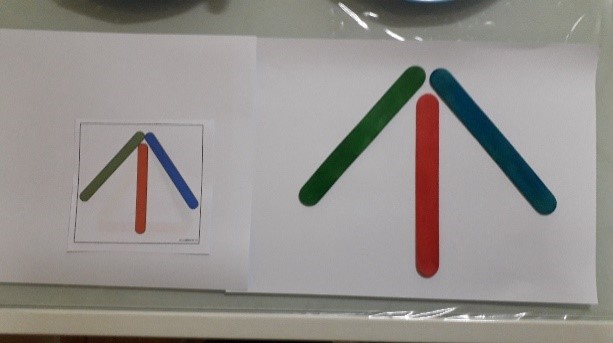
Popsicle stick logic activity

This activity will help children develop visual perceptual skills. Good visual perceptual skills are important for everyday skills such as reading, writing, completing puzzles, cutting, drawing, completing math problems and for dressing.

This activity focuses also on spatial awareness. Spatial awareness is the ability to understand and interact with the environment around you.  Examples of tasks that require spatial awareness are avoiding obstacles when walking, reaching out to grab a pencil or determining left from right.

Copying the shapes and patterns from the cards will help children develop:

  • Logic skills
  • Reasoning skills
  • Problem solving skills
  • Fine motor skills
  • Pincer grasp


For this activity you need:

  • Coloured popsicles.
  • A printed copy of the puzzle cards found here (you can also draw the cards yourself instead of printing them).
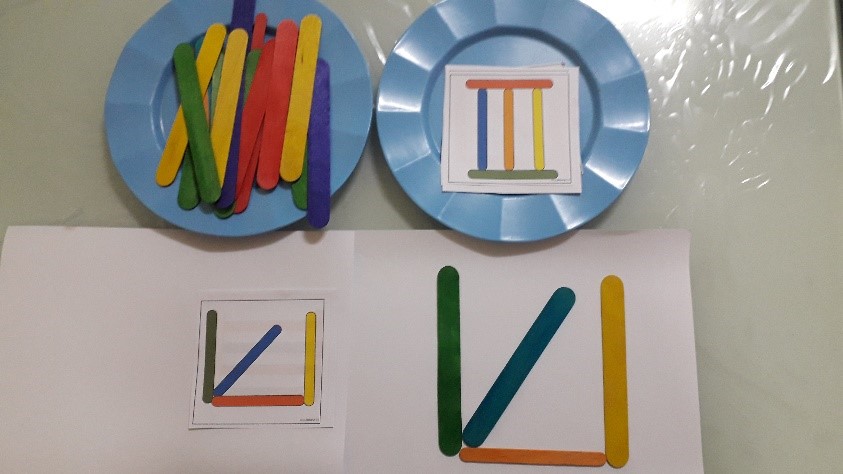
  • 2 baskets or 2 plates (one for the popsicles and another one for the printed puzzles, as indicated in the picture).

How to play this game:

  • Take a puzzle card and show it to your child.
  • Ask your child to take some popsicles. Encourage him/her to pay attention to the colours of the popsicles on the card, and to choose popsicles of the same colour.
  • Encourage your child to copy the pattern on the card. (As indicated in the picture).


A video showing the activity can be found here. (https://www.youtube.com/watch?v=VaIQ2e13r84)

Ms Nikita K 1.9