Kindergarten Activity No. 25

Rhyme

Why is rhyme important?

Rhyme teaches children how language works. It helps them notice and work with the sounds within words. When children are familiar with a nursery rhyme or rhyming words in a book, they learn to predict the rhyming word. This prepares them to identify and generate rhymes, which is an important pre- reading skill.

This video shows you how to teach rhyme.

https://www.youtube.com/watch?v=V9qNKjv_hW8

Easter egg rhyming puzzles

This is a very good activity to practice rhyme. Double click on the link below to open the printable pdf file for the activity.

Rhymes Acrobat Document

After printing and cutting the egg halves, lay them on a table. Encourage your child to take a piece, say the name of the picture on it and try to find the rhyming word from the other egg halves on the table. If they find it difficult, they can start by matching the egg halves according to the colour and shape.  The more they practice the more they will grasp the concept of rhyme.

Find your rhyming words:

While reading books (both in English and in Maltese) try to find words that rhyme. Draw the pictures of these rhyming words on the recording page (the page with the template of the egg halves on it).  You can also use these templates to draw any other rhyming words you think of.

Variation:
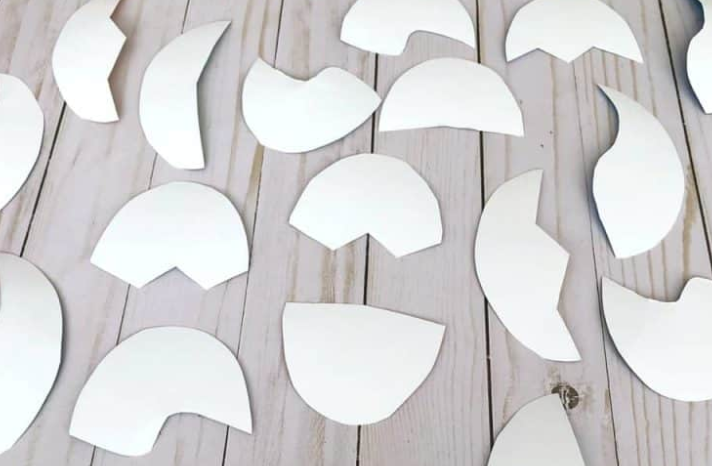
To make the activity more challenging and help your child develop his/her visual discrimination and visual memory skills, lay the puzzle pieces face down.

Your child will use visual cues to pick out two egg halves that s/he thinks could fit together. Then turn over the two egg halves s/he chooses.  If they have rhyming words, that’s a match.  If not, they turn them over and start again.

Ms Marita K 2.3


Another Kindergarten Cooking Activity Idea

Cooking is another activity which can be very beneficial to a child’s learning. When you read a recipe together, you are introducing new words to your child’s vocabulary and promoting literacy. A child will begin to understand that print conveys meaning. Following steps in the recipe can work on their listening skills. Getting involved in cooking also helps your child to develop fine motor skills, eye hand coordination, and early concepts of maths and science.

With Easter around the corner and plenty of time at home, here is a simple yet yummy recipe you can make together with your children.

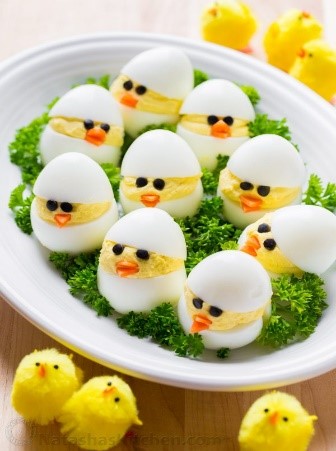
Easter Chicks Devilled Egg

Ingredients:

12 large eggs (hard boiled and peeled)
1/3 cup mayonnaise
1 1/2 tsp mustard (or add to taste)
1/4 tsp garlic powder
1/8 tsp salt (or to taste)
1 small carrot, peeled and sliced into rings
6 black olives


Method:

  1. Peel the hard-boiled eggs.
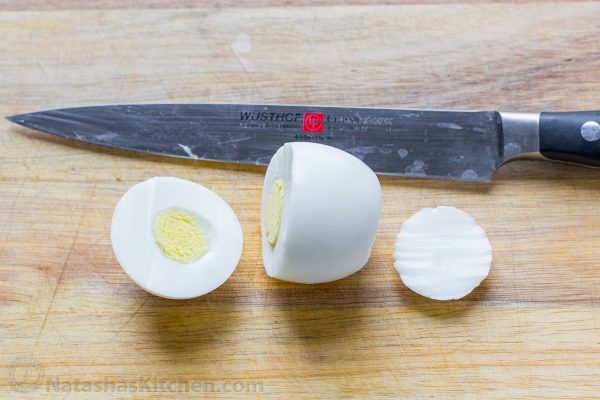
  2. Slice off a very thin layer from the base of the egg – this will give it a flat surface to stand on a platter.
  3. Cut off a generous part from the top of the egg (round about one third).
  4. Keep the lids paired with their bases.
  5. Squeeze around the egg base gently to loosen the yolk. The yolk should pop out.

Tip: If you have trouble peeling eggs, try peeling under a slow stream of water.  Very fresh eggs do not peel easily so I usually boil a few extra eggs to be on the safe side.

6. Put the cooked egg yolks in a bowl and mash them well with a fork.

7. Add the mayonnaise, the mustard, the garlic powder and the salt.

8. Mash everything together until smooth. Transfer the mixture to a bag and pipe generously into the egg bases.

9. Place the egg lids back and press gently.

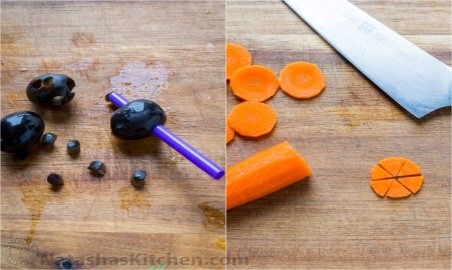
10. For the eyes, poke through an olive with a plastic straw to create little circles. For the beaks cut thinly sliced triangles from a carrot. Insert 2 olive spots for the eyes and 2 carrot wedges for the beak.

11. Set the chicks on a platter and garnish with fresh parsley or dill to give them that “free range” feel.

Enjoy

Ms Graziella Kinder 1.1


Kindergarten Activity No. 24

Visual Memory Activity

Visual memory is the ability to recall or remember something that you have seen.

Visual memory activities can help develop a child’s memory skills. Such activities help children to recognise numbers and letters, and in the future to remember sight words and copy work from the board or a book.

Picture study game

The picture study game is a simple visual memory game. Allow your child to look carefully at the picture for around 30 seconds. Then cover the picture and start to ask your child questions about what he/she saw.

You can ask any questions you like. Here are some examples of what you can ask:

  • What do you remember from the picture? Any colours, shapes, objects, characters etc.
  • What time of day do you think it is? Day / Night etc.

The child must remember details from the picture in order to answer each question.

Ms Graziella Kinder 1.1