Kindergarten Activity No 22 – Colour Sorting

Colour Sorting Activity

Resources:

  • Toilet paper rolls
  • Paint
  • Pompoms
  • Child friendly tweezers (Optional)

Activity:

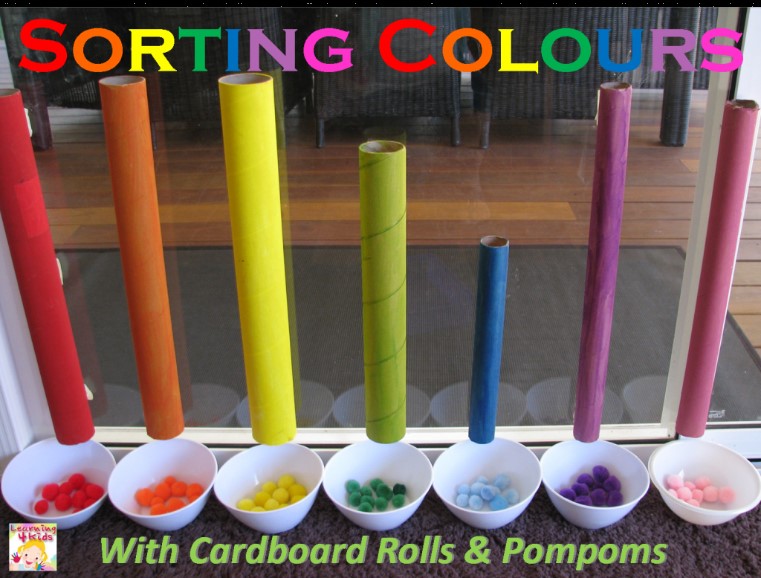
  • Start by painting each toilet paper roll in a different colour. It is up to you on how many different colours you want to use.
  • Once they are dry, provide pompoms of the same colour of the toilet paper rolls and mix all the different coloured pompoms.
  • This activity can be done in 2 different ways. Either:
  • Let your child choose a coloured pompom and, after asking him/her what colour it is, encourage him/her to put it in the matching toilet paper roll.

OR

  • Ask your child to pick a pompom, from a colour you have chosen, and then put it in the matching toilet paper roll.

From this activity your child will improve his/her colour recognition and his/her hand eye co-ordination.

* In order to reinforce your child’s pincer grasp you can encourage him/her to pick up the pompoms with tweezers.
Ms Chanice K1.11

Kindergarten Activity No. 21 – Sounds

Listening and Remembering Sounds

This activity is aimed to encourage the children to distinguish between everyday sounds and to identify that different objects make different sounds.

Loud and soft sounds

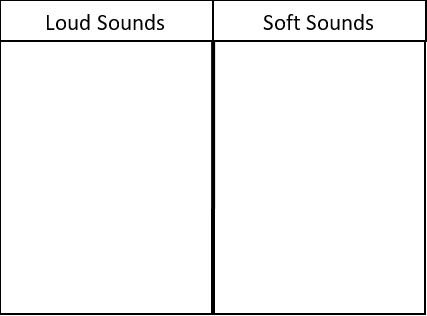
Use different objects such as toys, utensils, whistles, keys etc. and ask your child which object they think will make the loudest sound and which will make the softest sound. After identifying the different sounds, the objects make, encourage your child to sort them out.

Magical sound box

One by one put between four and six familiar noisy objects (for example a set of keys, crisp packet, squeaky toy, zip, coins etc.) in a box, pausing to name them, and demonstrate the sound each object makes, before putting them in the box. Then, take an object out of the box, hide it, and make a noise with it. Encourage your child to tell you what s/he has heard and to guess what the object is from the sound it makes.

Socks/bottles and Shakers

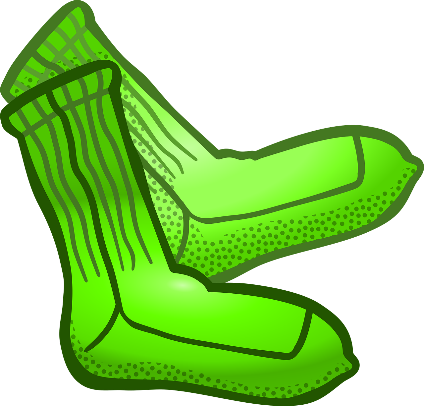
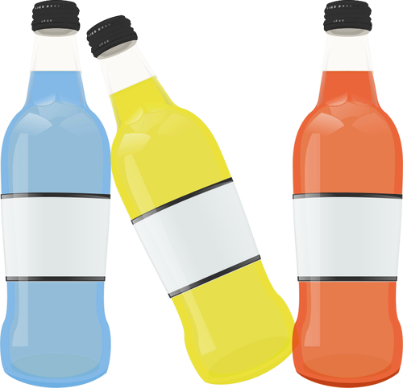
Partially fill non-transparent plastic bottles or the toes of socks with noisy materials such as rice, pebbles, marbles, shells, coins, etc. Ask the children to shake the bottles and identify what is inside the bottle from the sound the items in the bottle make. When using socks, apart from shaking them to hear the sound, encourage your child to feel the materials in the socks and ask him/her to talk about what s/he is feeling and guess what is inside. When they guess the item (e.g. shells or pebbles) you can extend the activity by asking questions such as: ‘Where can we find shells or pebbles?’.                      

Ms Rodianne K2.1