Biex taraw it-tieni (u l-aħħar messaġġ) tal-Arċipriet, agħfsu fuq il-link t’hawn taħt. Wara l-messaġġ hemm diska relatata mal-Għid.
Author: Siggiewi Primary
Kindergarten Activity No 26
Numeracy pattern activities with blocks
While these two numeracy activities are aimed for Kindergarten children, your child might find the second activity more challenging than the first one.
Activity 1 – Follow the pattern
This activity involves following a coloured pattern using blocks. It is aimed at helping children develop eye/hand co-ordination and reinforce colour coding and colour recognition. The children will also learn how to follow patterns.
For this activity you need:
- coloured markers
- coloured blocks
- an A4 paper
With the coloured markers, draw the outline, of the blocks, on a white A4 paper.
Make 3 rows (as seen in the picture).
Ask your child to take the blocks and follow the patterns on the paper.

Activity 2 – Ordering and sequencing numbers
This activity is aimed at developing number recognition and number sequence.
For this activity we need:
- a whiteboard marker
- blocks
Number the blocks with a whiteboard marker from 1 till 10 . Encourage your child to stack the blocks starting from 1 till 10.
You can make the activity more challenging by gradually adding more blocks with numbers greater than 10 (e.g. from 1 to 20).

Enjoy
Ms. Anna K1.2
Kindergarten Activity No. 25
Rhyme
Why is rhyme important?
Rhyme teaches children how language works. It helps them notice and work with the sounds within words. When children are familiar with a nursery rhyme or rhyming words in a book, they learn to predict the rhyming word. This prepares them to identify and generate rhymes, which is an important pre- reading skill.
This video shows you how to teach rhyme.
https://www.youtube.com/watch?v=V9qNKjv_hW8
Easter egg rhyming puzzles
This is a very good activity to practice rhyme. Double click on the link below to open the printable pdf file for the activity.
After printing and cutting the egg halves, lay them on a table. Encourage your child to take a piece, say the name of the picture on it and try to find the rhyming word from the other egg halves on the table. If they find it difficult, they can start by matching the egg halves according to the colour and shape. The more they practice the more they will grasp the concept of rhyme.
Find your rhyming words:
While reading books (both in English and in Maltese) try to find words that rhyme. Draw the pictures of these rhyming words on the recording page (the page with the template of the egg halves on it). You can also use these templates to draw any other rhyming words you think of.
Variation:
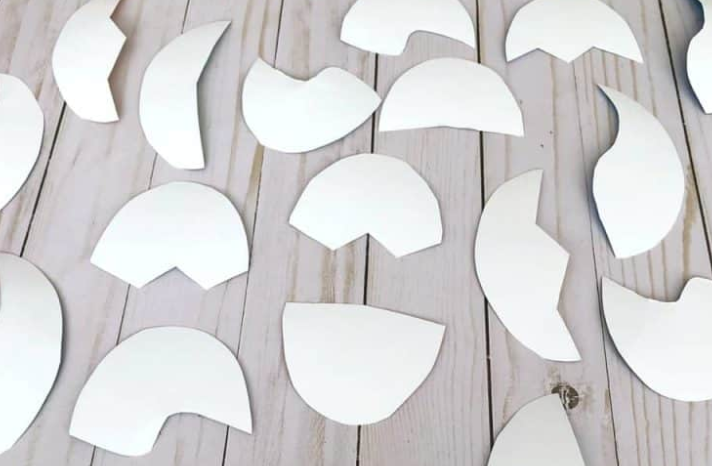
To make the activity more challenging and help your child develop his/her visual discrimination and visual memory skills, lay the puzzle pieces face down.
Your child will use visual cues to pick out two egg halves that s/he thinks could fit together. Then turn over the two egg halves s/he chooses. If they have rhyming words, that’s a match. If not, they turn them over and start again.
Ms Marita K 2.3
 St Ignatius College, Patri Ġużè Delia, Siġġiewi Primary