
How to deal with cyberbullying during Covid 19
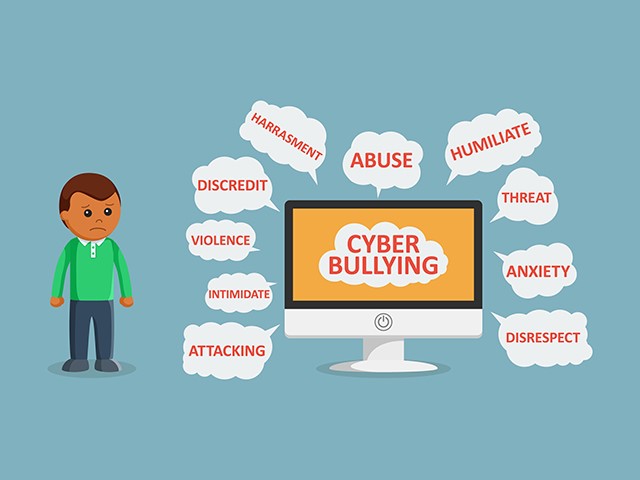
Quarantine has allowed for a significant increase in time spent on social media. With less outdoor exposure, the closing down of schools and extracurricular activities, we (both adults and children) often resort to use more social media as an enjoyable activity. Various social platforms like Messenger, Facebook, Instagram and Tik Tok amongst others help us keep in touch with our friends and the world outside.
However, being online more also means that cyberbullying may increase, whether demonstrated through negative comments, threatening messages, or taunting posts.
Without the usual resources to help you and your children cope with the bullying (i.e., your school counsellor or friends to rely on), you may feel alone and lost on how to deal with the situation. The following are some guidelines that might be of help.
Don’t blame yourself.
The first step in moving past the negativity is recognizing that it’s not your fault. Don’t allow the bully’s words to make you feel ashamed of who you are and what you believe.
Revenge is never the answer.
The bully’s actions are driven out of insecurity; they intend to have full control over your feelings so that you feel as badly as they do. Don’t give them the satisfaction by sending negative messages in return.
Take some off time each day from using social media or gadgets.
Break from your phone, computer or tablet for a couple of hours each day to engage with the world around you. Read a book, engage in some physical exercises at home or help your family in chores. Such activities will help clear your mind. Keeping up with a routine is very important.
Save the evidence.
Screenshot any posts or comments demonstrative of the cyberbullying and report them to an adult. If you continue to keep quiet, the cyberbully may feel like he/she is permitted to continue.
Delete and block.
Reading cyberbullying messages repeatedly will only make you feel worse; instead, trash them and block the account that they’re coming from. Instagram even has an automated “offensive comment” filtering that uses AI to remove hurtful phrases.
Share your feelings with others.
Just because you may not be getting as much face-to-face time with peers, teachers and counsellors doesn’t mean they aren’t still at your disposal. Reach out to a person you trust or talk to family members within your household for advice. Social distancing may leave you feeling more isolated than usual—but you’re never alone in your battle against bullies.
Report
Report bullying. The MEDE issued a helpline called NISIMGHEK. This is the MEDE support line 25981000 created to listen to learners and their parents during COVID-19 period. It is manned by Colleges’ practitioners such as Counsellors, Social workers, Psychologists, Career Advisors, Safe Schools Guidance teachers. This line is open from Monday to Friday (8.30 -16.00) excluding public or school holidays. You can find further help when calling this support line and report the bullying behaviour.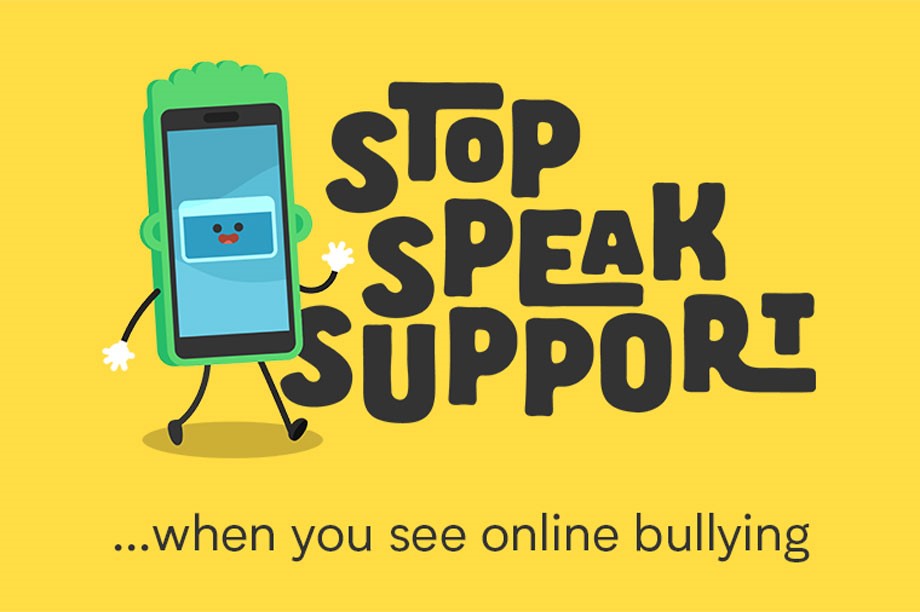
 St Ignatius College, Patri Ġużè Delia, Siġġiewi Primary